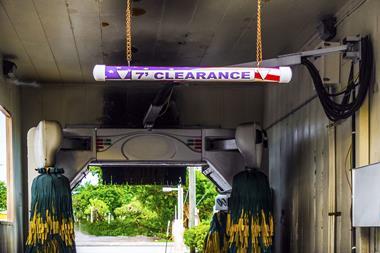












Let’s start with a confession: personally, I’ve rarely been very concerned about the cleanliness of the exterior of my cars; although I have always tried to keep the interiors as clean and tidy as possible. However, one of the perks of my job visiting forecourt retailers back in the day was that most of them at that time had rollover washes on the forecourt, and if I arrived early enough in the morning, they often wanted someone to test the wash before customers started using it. It was an easy way of keeping our fleet manager happy.
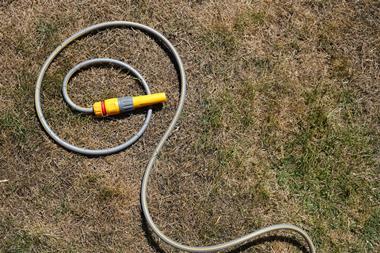
Given the weather across most of the country over the past two months, it’s not surprising that the news media are running stories about hosepipe bans, etc, the only surprise is that we haven’t seen these implemented earlier. As with many things in the news, hosepipe bans – and the associated restrictions on commercial car washing – aren’t new. When I was working for EKW in the southeast of England back in the 1980s and 90s there were a succession of hot, dry summers, and almost invariably by the time we got to July and August, the majority of forecourt operators were forced to close their wash bays. I say the majority, because even 30-plus years ago, some retailers had started to invest in new car wash facilities which featured extensive water recycling, and which were supposed to be exempt from whatever bans had been imposed elsewhere.
However, there was often a lot of confusion as to which equipment did or didn’t meet the regulations, with some forecourt operators receiving almost daily visits during bans from either Trading Standards or the local water authority – simply because someone had complained that they were breaking the ban. As you might guess, in quite a few instances the complaint originated from competing sites which did not have water recycling washes.
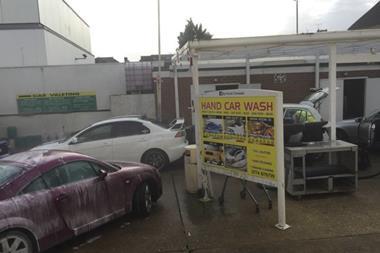
The point of this discourse is that a long time ago rollover and jet washes were a major profit centre for a great many forecourts. Sadly, as we have all seen, the profitability, and indeed, existence, of forecourt wash bays took a massive hit from the arrival of cheap handwash offers, starting from around 20 years ago.
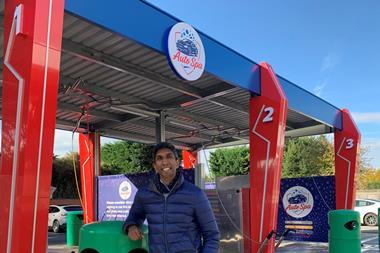
Fortunately, the continued crackdown in recent years on those handwashes that flouted employment, health and safety, and environmental regulations has led to a revival of the modern valeting bay. According to Forecourt Trader’s Fuel Market Review 2026 43% of forecourts – that’s over 3,500 sites – offer some form of car wash, with 45% of those having automatic washes. That’s actually quite an upturn, considering the capital investment required to bring out-of-date facilities up to modern standards.
And here we need to stress modern. Premises and equipment that meet the latest environmental standards; having wash bays that are physically and legally capable of working all year around, regardless of a hosepipe ban or drought orders. It’s also important that customers and neighbours are aware that the continued operation of these facilities during a drought is because they do comply with all the relevant environmental requirements; publicise the fact on the forecourt, at the wash bay and in the shop, make sure that customers don’t feel guilty about washing their cars during the dry spell. If you’ve got it, flaunt it!
Many clients used to view their car wash as a licence to print money – in large part because over half of customers using it would go for the most expensive, and easily the most profitable, item on the valeting menu. Whether we see a return to those days remains to be seen, but properly promoted the wash bay should certainly be making a significant contribution to each site’s bottom line again.
- Jan Mikula represents nationwide franchise accounting company EKW Group – ekwgroup.co.uk