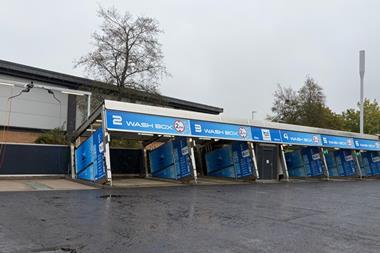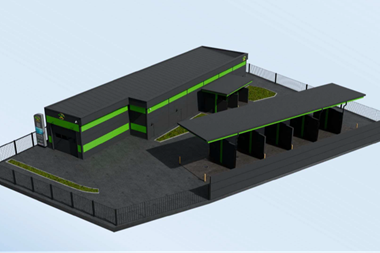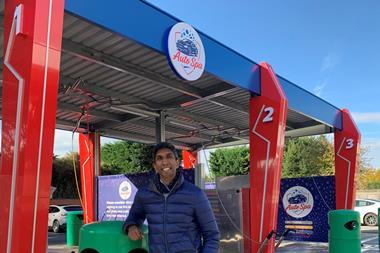














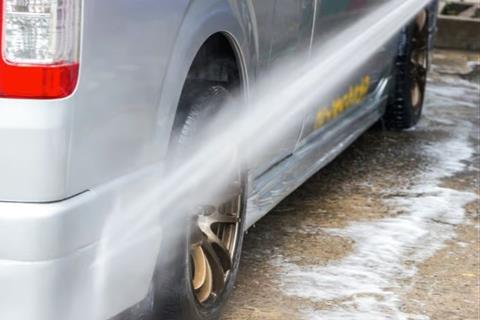
South West Water is the latest provider to ask the government to issue a ‘drought order’, which would give the firm permission to implement a non-essential use ban. If applied, this would prevent all commercial car wash operations from running.
The firm says it is concerned that drought conditions could remain in place until spring 2027 in some parts of the country it serves, namely Exeter, Exmouth, Crediton, Sidmouth, Tiverton and surrounding areas, across Mid and parts of East Devon. South West Water is also concerned about a “small part” of Dorset, including Lyme Regis.
If the government issues the firm with a drought order it will be able to implement a non-essential use ban (NEUB), which applies to businesses rather than homes, and outlaws car washing, as well as watering plants on commercial premises, cleaning industrial plant, and dust suppression.
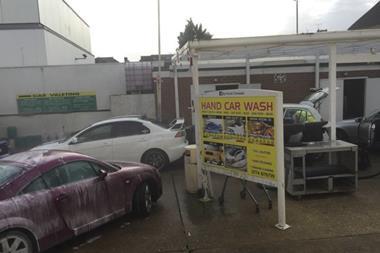
The Car Wash Association has repeated its calls for ministers to consider legitimate car wash operators separately from “largely non-compliant” hand car washes, which represent around two thirds of the valeting market.
The organisation achieved such differentiation during Covid when hand car washes were closed, but automated valeting machines were allowed to operate.
South West Water joins South East Water and Southern Water in applying to Defra (the Department for Environment, Food and Rural Affairs) for a drought order, with the three companies already having a hosepipe ban (officially known as a temporary use ban) in place.
Brian Madderson, chairman of the Car Wash Association comments: “That there are now three such NEUB proposals to replace existing TUBs (temporary use bans) with DEFRA, after Southern and South-East Water Authorities have already submitted their applications during recent weeks”.
Sam Bottomley, South West Water’s director for drinking Water services, comments: “Every day we continue to draw on our reservoirs to keep water flowing to homes, businesses and communities while river flows remain below the levels needed to support public water supply.
“Many people understandably think a drought is over once it starts raining. In reality, recovery takes much longer.”
Bottomley adds: “We recognise these restrictions have an impact on businesses, and we will provide clear guidance and support if the application is approved.”