

















The war in Iran has now been ongoing for over a month, which may be three weeks longer than Donald Trump anticipated, but is hardly a surprise to just about anyone else.
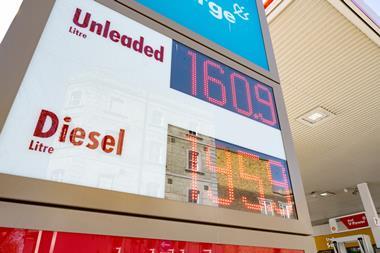
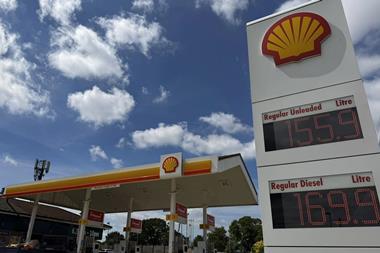
At this time there’s no obvious way of it ending soon – in fact many commentators suggest that it will get worse (possibly much worse) before it gets better. As expected, the Iranians have effectively closed the strait of Hormuz to shipping, which has sent energy prices soaring (not only oil, but natural gas) worldwide. As this is being written the benchmark price of Brent Crude is close to $108/barrel; and the ‘typical’ price of a litre of diesel on UK forecourts has risen to over £1.80.
My domestic central heating runs on oil (kerosene), and in early February a 500-litre top-up cost a little over £300 (inc VAT). While looking for a quote on the first Monday of March, the cheapest I could find for the same 500-litres was over £700, only to then be told a day later that there wasn’t any to be had even at that price – panic buying had apparently created a shortage at the supply depots.
Now “kerosene” is a generic name for several related types of fuel: what we in the UK call ‘paraffin’, but also jet fuel, heating oil and diesel oil. And there is a looming shortage of diesel, and the UK is particularly at risk. The reason is partly due to the war itself, and partly to the UK’s rather ‘odd’ history in relation to diesel production and usage.
Traditionally in the UK, diesel was that ‘smelly stuff’ dispensed from one or two remote places on the forecourt from old – and usually dirty – pumps, almost exclusively to drivers of HGVs and taxi cabs. It might surprise some people that even the ubiquitous Transit-type delivery vans mostly ran on petrol until the early 2000s, and diesel-engined passenger cars didn’t become major sellers here until around the same time. Unlike most of continental Europe. As a result, UK refineries concentrated on producing petrol, rather than diesel. By the time that UK demand for it began to soar, refineries here were quite old, and the oil majors weren’t (by and large) investing in new facilities; quite the opposite, in fact, as one-by-one UK refineries began to close down. So, the UK isn’t in a good place as far as diesel supplies are concerned, even at the best of times; according to government figures, “net imports made up 51% of UK diesel supply in 2024”.
Looking to the future, we’re faced with the basic problem that the disruption to oil supplies worldwide could continue for months – even if the war ‘ends’ fairly soon. If so, the pressure on prices will remain high, but the larger worry is that physical shortages will occur here, as they already have in Asia and Africa. There is already a shortage of jet fuel looming in Europe and the UK, with the UK’s position on jet fuel even more precarious than with diesel. Certainly, many media outlets are carrying reports of government contingency plans involving possible fuel rationing and even emergency speed limits. The suggestion is that diesel would be prioritised for emergency services and then goods vehicles, leaving ordinary drivers to scavenge whatever the forecourts have left.
At this time, it looks increasingly likely that the increase in UK Fuel Duty planned for September 1 might have to be deferred, assuming that we’re not back to some sort of ‘normality’ by then. All that the retail industry can do is hope that there will still be product to retail: as we’ve seen again, consumers are prone to panic buying, and in the big scheme of things it may be preferable to see rationing-by-coupon (or some variant of it) rather than rationing-by-price and dry pumps. Neither prospect is good but there really isn’t anything that anyone in the UK can do to change the current outlook.
Jan Mikula represents nationwide franchise accounting company EKW Group – ekwgroup.co.uk