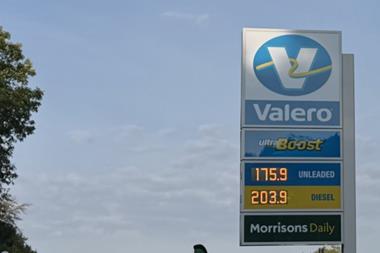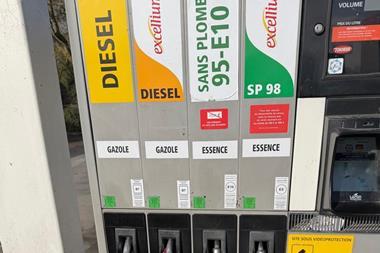







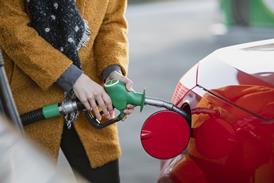




At the risk of boring everyone to tears, let’s start with something simple. After Chancellor Healey’s 2026 Budget, the typical pump price of a litre of diesel remains at around 199ppl. Out of that price, the Treasury still takes 52.95ppl in fuel duty and 33.17ppl in VAT – a total of 86.12ppl, or 43.27% of the retail price.
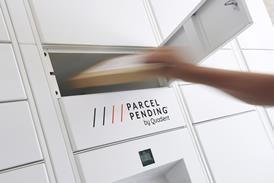
Are we supposed to be grateful that he extended the 5p fuel duty cut to July 2027? I couldn’t ask the delivery driver who rang our doorbell half an hour ago, because by the time I got to the front door all I could see was a package left in the porch and a rather old VW Passat diesel estate leaving at speed; not that he or she would have had time to talk, since the car was loaded up to the roof with yet more cardboard boxes.
The government made all the usual noises about ‘trying to help businesses’ and ‘relieving the pressure on families’, etc – naturally, they would, and to a very small extent a few of the measures might do so. But at a time when a huge proportion of trade and industry (and that includes my Passat delivery driver) still relies on diesel to keep the wheels moving, as do millions of consumers who are already short of disposable income to spend elsewhere, it seems like a major opportunity to actually give some help was completely missed.
Smaller retailers may take some solace from the decision to raise the threshold for business rates, from £12,000 to £18,000 rateable value, which is due to come into effect from April 2027), but what was missing was any mention of a much overdue re-think of the whole concept of business rates itself.
As I write this, there’s still no more news about the future of Poundland, which runs some 600 stores, employing around 12,000 staff across the UK and Ireland, and appears to be on the brink of administration. Only a couple of months after TG Jones (once known as WH Smith) announced the closure of some 150 stores, followed a few weeks ago with another 70 or so Post Office branches. Our high streets have become a desolate wasteland of pop-up vape shops, hairdressers and nail bars, where even the once ubiquitous charity and bookies’ shops are closing. I can’t see much in this Budget that will make a lot of difference to that.
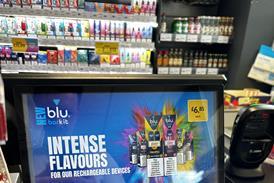
As is usual nowadays, some measures which have an impact on consumers and retailers weren’t actually part of the Budget: The National Living Wage will rise from £12.71 to £13.21 per hour from April 1, 2027, with the 18 to 20-year-old rate rising from £10.85 to £11.27 at the same time. Tobacco tax increases added around £1.21 to a packet of ciggies on October 1, and alcohol duty is due to increase from February 1, 2027. These might possibly make us healthier, but will they do anything to help retailers and the hospitality trade? Not that I can see.
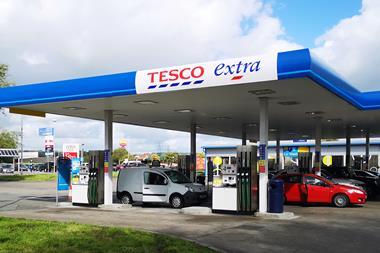
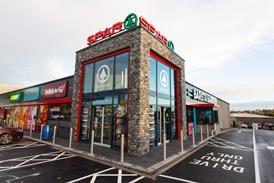
As far as most petrol retailers are concerned, there was nothing in this Budget to make things better; the business rates relief will only affect the smallest forecourts, while tax rises on alcohol and tobacco will almost inevitably reduce sales volumes. The majority of petrol retailers pay staff at rates which are already above minimum wage, but that increase will simply add pressure on wage rates overall. Meanwhile, with no change to fuel duty, retailers continue to bear the additional cost of selling a product at very high prices when all they’re doing is collecting more revenue for the Treasury, not themselves.