
















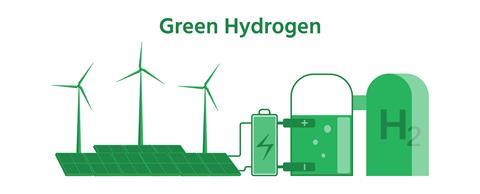
A new green hydrogen project in Mozambique has the potential to generate green hydrogen at a scale and price point that UK forecourts could work with.
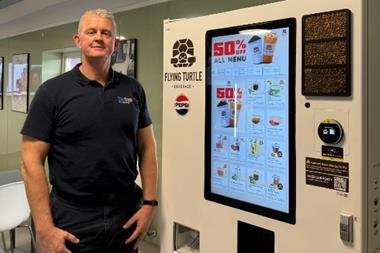
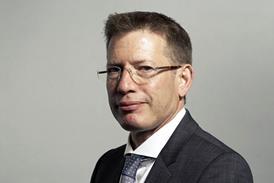
That’s the view of Tim Harper, founder of Element 2 and Evove, who describes himself as a serial entrepreneur focused on sustainable innovation.
The project Harper is referring to is Jearrard Energy Resources Limited’s (JER) signing of a Memorandum of Understanding (MoU) with Carbon Capital Corporation Pty Ltd and Green Bond Corporation Sarl, setting the stage for a potential £25bn bond raise to fund its 12GW Green Hydrogen mega-project in Mozambique – one of the world’s largest solar-to-hydrogen facilities.
The JER Mozambique Solar-to-Hydrogen Project will produce over 4,000 tonnes of cost-competitive green hydrogen per day, meeting surging demand in Asia, India, Europe and the Pacific Rim.
Harper, who will be taking up a position with JER shortly, says that while there is strong interest from forecourt operators regarding hydrogen, to succeed with the fuel they need both volumes and a decent margin.
He says that while Germany and the Netherlands are signing supply agreements with Saudi and Oman, the UK is betting on subsidised hydrogen from UK producers. “For green hydrogen – which, let’s face it, is what everyone wants rather than hydrogen generated from fossil fuels – the UK economics just don’t work.
“A project like the 12GW solar-powered hydrogen development in Mozambique has the potential to generate green hydrogen at a scale and price point that UK forecourts could really work with. It opens the door to long-term import partnerships that can undercut domestic production, providing the consistency and commercial viability that the UK refuelling network desperately needs.
“Hydrogen vehicle prices – especially for heavy-duty use – are and will remain higher than diesel for the foreseeable future. That’s why the only viable path to mass adoption is to ensure hydrogen is well below diesel parity on a cost-per-mile basis. Bringing the fuel cost down dramatically is the most effective way to reduce total cost of ownership and make the business case stack up for operators.”
Harper says a key piece of the puzzle is how to move hydrogen efficiently and affordably. “That’s where the existing gas network could be a game-changer,” he explains. “Blending hydrogen into the grid or converting pipelines for dedicated hydrogen use could solve the volume challenge, enabling distribution at national scale and making it easier for forecourts to access competitively priced fuel.
“As for energy independence, it’s worth noting that the UK government has confirmed a ban on new oil and gas exploration licences in the North Sea as part of its commitment to a clean energy future. This policy shift underscores the importance of securing reliable and affordable energy imports, such as green hydrogen from large-scale projects like Mozambique’s, to meet the country’s energy needs.”
He warns that the current situation means the UK risks being left behind. “Without clear import strategies, infrastructure planning or bilateral agreements with large-scale green hydrogen producers, UK forecourts face ongoing uncertainty. Mozambique’s mega-project could be part of the answer – if the UK acts quickly and aligns its strategy with global supply trends instead of waiting for expensive domestic production to scale.”