

















The Association of Convenience Stores is blaming rising business rates and employer National Insurance payments for falling investment in the sector.
In its annual Local Shop Report, released today, the association says increasing government taxes and other costs are discouraging store-owners, many of which are forecourt operators, from spending money on their businesses.
It claims investment by convenience retailers has fallen from record levels of over £1 billion in 2024, the year Labour came into power, to around £900 million in 2025 and 2026.
Although total sales in the sector have risen, by 0.6% to £49.1 billion over the past year, this is against an average inflation rate of 2.9%.
This, it says, has left retailers “needing to find efficiencies and claw back margin on products and services to make ends meet”.
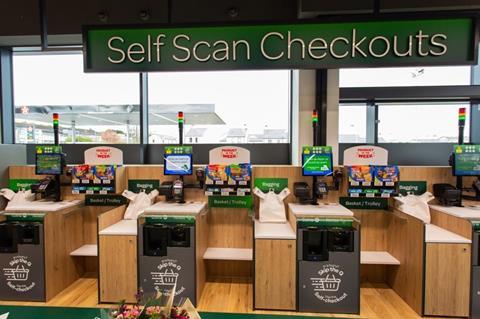
Despite this, the report highlights a sector that is embracing technology and new retail trends, with one in five convenience stores offering self-service tills, and electronic shelf-edge labels in 14% of stores.
Additionally, 47% of retailers offer a home delivery service with the most popular option a partnership with a provider such as Deliveroo or Uber Eats.
However, the ACS warns that “convenience stores cannot continue to take the brunt of cost increases without consequences”, and has suggested in its submission ahead of the Budget later this month that, as well as holding back on investment, retailers are being forced to reduce staff hours and spend more time in the shop themselves. Some retailers are having to sell their businesses, it states.
“Local shops are incredibly resilient, but they can only absorb so much before difficult decisions have to be made,” says ACS chief executive Ed Woodall.
“It is clear that tax increases and new regulations are impacting retailers’ ability to invest and grow, which could in turn make them less able to adapt and continue to deliver the services and support that communities rely on.”
Woodall says the sector is not looking for “handouts” but needs “breathing space to be able to invest, innovate and keep delivering for the communities we serve”.
Other findings from the report include that 78% of retailers are active in their communities, raising money for charity, sponsoring local sports teams or getting involved with litter picks and other environmental initiatives.
Fears of an ageing profession are also dispelled by the statistic that, for the first time, a third of retailers owning and running convenience stores are under 30.
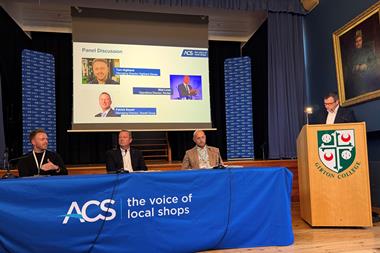
The ACS will formally launch its report at its Heart of the Community conference in Westminster on Wednesday, from where it says it will be taking its campaign on the rising cost of trading directly to Parliament.