










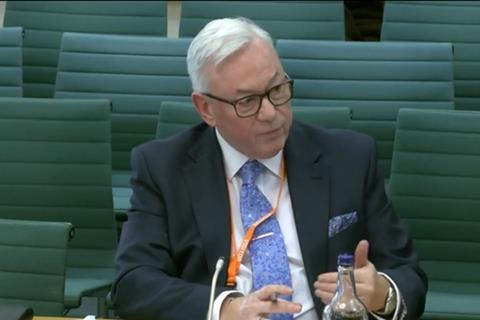
The Energy Security and Net Zero Committee appeared to have a change of heart in real time yesterday, after the Petrol Retailers Association pushed back against an MP’s accusations of ‘price gouging’ in the sector.
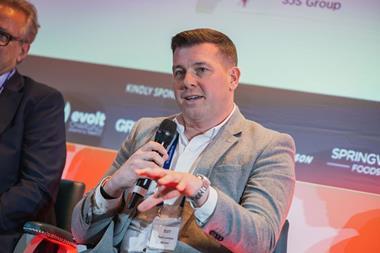
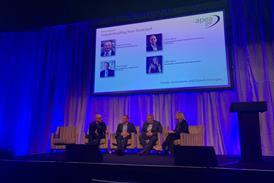
Speaking at a meeting discussing the UK’s energy resilience, the PRA’s executive director Gordon Balmer was asked by committee member Mike Reader MP if the organisation’s terms and conditions for members “include transparency over profits”, adding:
“Do you not see that should be something your organisation should focus on given the price gouging we’ve seen from some retailers?”
Balmer responded: “I’d like to understand what you mean by price gouging, as that implies you know the wholesale price a retailer is actually buying at. Any allegations of price gouging we would take very, very seriously.”
He added: “Some of our retailers are actually on negative margins now - those that are having to buy on a daily lag basis”, and described how operators are “getting abuse on social media, and some of their site staff are also getting abuse.”
Balmer also highlighted the rising operational costs hitting forecourts, including business rates, National Insurance and minimum wage hikes, as well as increasing levels of crime.
Reader subsequently followed up by asking: “Are we looking in the wrong place?…Are retailers the fall guy?”, indicating Balmer’s points may have landed.
Fellow committee member Bill Esterson MP later said to Balmer: “I would invite you to remind the public that the people who are running petrol forecourts are not responsible for what’s going on in Iran, and they should be treated with respect”, to which the PRA boss responded:
“That’s what I’ve said to a number of media outlets: If we can refrain from some of the more lurid language, it would very much help a lot of the people that are helping to keep the country moving.”
The meeting preceded an in-depth investigation by The Times, which found forecourt firms were not taking advantage of high oil prices to profiteer from drivers.