



















Plans to install over 100,000 local chargepoints in England and Wales have been announced by the Department for Transport.
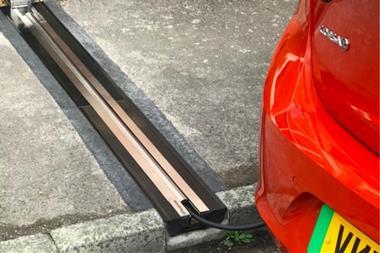
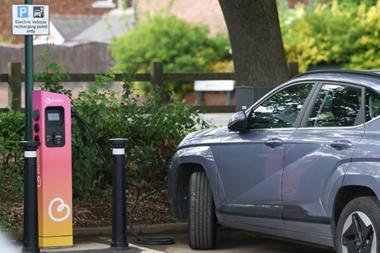
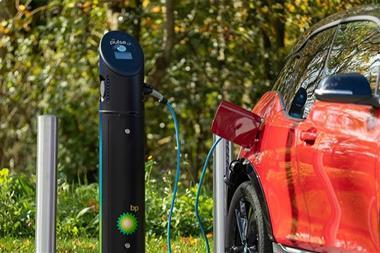
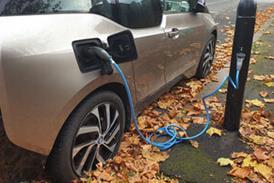
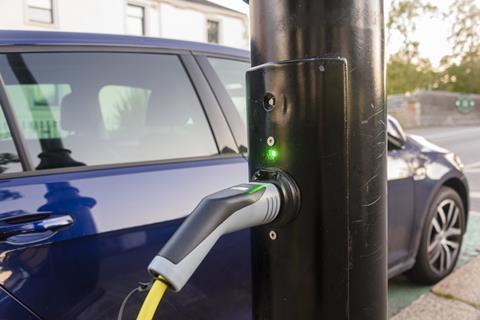
The DfT says the new sockets are being rolled out thanks to the £391m Local Electric Vehicle Infrastructure Fund, which seeks to boost charging access in areas where off-street parking is in short supply, so residents lack the ability to charge at home. Public points installed as part of this scheme are often housed in existing lampposts, delivering slow speeds (around 5kW) intended for overnight charging sessions for residents.
Lilian Greenwood, the Future of Roads Minister, said the government is “powering up the EV revolution by rolling out a chargepoint every 29 minutes”, equating to around 18,100 new chargers a year. The UK currently has 80,000 or so public chargers, and a target of 300,000 by 2030, meaning if the current installation rate continues, that target will be missed by roughly 110,000 chargepoints.
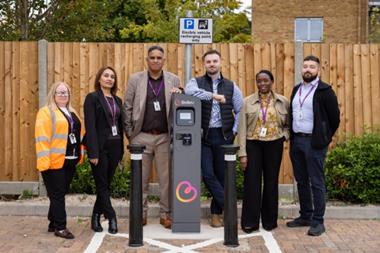
The news follows charger firm Believ recently becoming “one of the UK’s best-backed chargepoint operators” after securing £300m of private investment for 30,000 new chargers, something the DfT says indicates “a powerful vote of confidence by industry in the EV transition”.
The government has committed £4bn to support the transition to electric vehicles, but while uptake is strong among businesses and fleets thanks to hefty tax breaks, unincentivised retail buyers continue to prefer petrol, diesel and hybrid cars, choosing one of these in around 90% of new-car purchases. Just under 22% of cars registered last month were electric, against a 28% mandate for the year.