
















The International Energy Agency has published a list of 10 recommendations governments could implement to reduce oil use, with working from home, reduced air travel and cuts to speed limits among its suggestions.
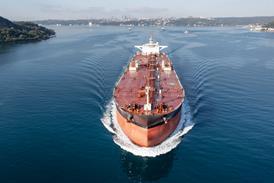
The IEA highlights that with the Strait of Hormuz, through which 20% of the world’s oil transits, being “reduced to a trickle”, it has identified 10 measures that “can be implemented quickly by governments, businesses and households” to cut demand for petrol, diesel, heating oil and jet fuel.
The Paris-based policy institute says the following “immediate actions” could be implemented by countries:
- Encourage working from home (WfH) to reduce petrol and diesel used in commuter cars.
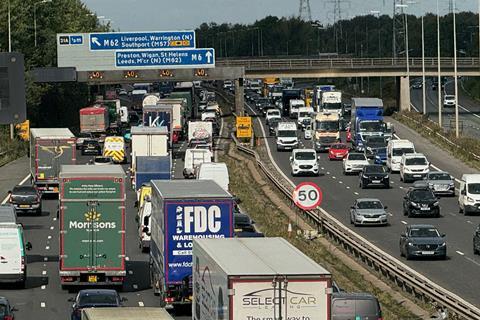
- Reduce main-road speed limits to improve vehicles’ fuel efficiency; this suggestion is included in the UK government’s National Emergency Plan for Fuel, which indicates a 10mph limit cut could be introduced for motorways if oil reserves run low.
- Encourage public transport; as with the WfH suggestion, this would reduce demand for road fuel.
- Introduce number-plate rotation rules, as has previously been done in Paris, Athens and a number of Latin American cities, only allowing cars with odd numbers in their registrations to drive in town on one day, with only even-numbered vehicles allowed the next.
- Increase car sharing schemes and encourage fuel-efficient driving practices.
The IEA also recommends encouraging commercial vehicles to be driven with efficiency in mind, have their maintenance kept on top of, and running bi-fuel vehicles (typically those that can run on liquefied petroleum gas as well as petrol) only on petrol to conserve LPG for cooking.
Additionally, air travel, particularly for business, should be avoided, the organisation says, while electric rather than gas should be used for cooking where possible, and companies should be “flexible” in their use of petrochemical feedstocks, using naphtha, ethane or gasoil instead of LPG for processes such as plastic and fertiliser production.
The IEA counts 32 countries – including the UK, US, Germany, Japan, Australia and France – as members, with nations having to commit to having at least 90 days of oil in reserve to qualify for membership.
Earlier in the month IEA member countries agreed to release a combined 400m barrels of oil from their emergency reserves to ease supply constrictions. The organisation’s director, Faith Birol, recently described the current situation as “the largest supply disruption in the history of the global oil market”, and said more reserves could be released “if needed”.