





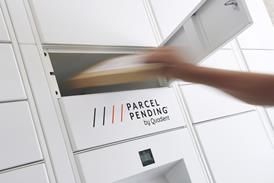
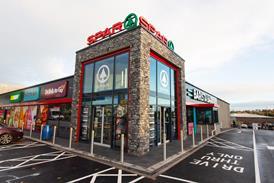

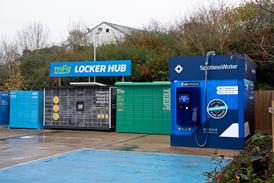
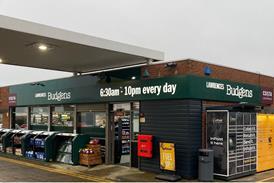







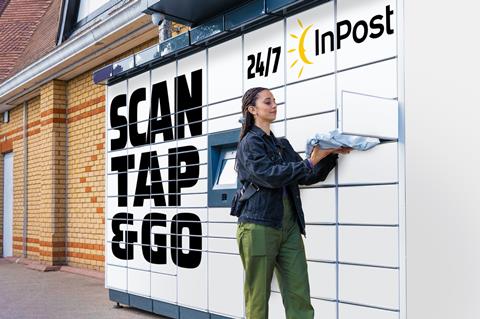
New research from locker firm InPost indicates the presence of parcel lockers at a forecourt can boost a site’s annual revenue by as much as £461,000.
The figure comes by taking InPost data that shows an average locker is used around 150 times a day, with 54% of those picking up a parcel from a forecourt making a purchase, spending an average of £15.60 on site when they do so.
Spread across the year that equates to almost half a million pounds in increased revenue from fuel and shop sales, while with 1,700 UK forecourts hosting InPost lockers, the boost to the sector as a whole brought about by InPost lockers could be as much as £784m.
The firm’s network director, Paul Selvey, told Forecourt Trader that while “petrol station lockers make up about 10% of our network, they’re one of our most utilised locations”, adding:
“The average locker is used by 100 to 200 people a day, but in our busiest locations we can see as many as 500 people.”
Selvey says that adding lockers, which also generate an average annual ground rent of around £1,500 per site, brings a regular stream of customers, explaining:
“People who use our lockers often collect and return parcels regularly – trying on clothes and returning them or selling things on Vinted for example. And a high proportion of people using lockers will make a purchase from the location.”
Further, two thirds of InPost’s customer base is made up of Gen Z and millennial customers – a demographic forecourts have historically struggled to attract.
“Fashion brands like Vinted, Asos and Boohoo, which are popular with younger consumers, were really our starting point. And we’re talking about affluent Gen Zers and millennials, too,” Selvey says. “The average salary for that demographic using our lockers is £49,000”.
Some 41% of all consumers are said to receive, and 44% send parcels via lockers according to InPost’s research, yet despite this significant proportion, the firm expects the market to enjoy continued growth.
“There was a sharp rise in locker use during covid”, Selvey says, “and everyone expected that to fall off again afterwards, but the reality is that locker use continues to grow.”
The firm currently has over 13,000 lockers across the UK – more than its key competitors combined – and expects that figure to nudge 20,000 by the end of 2026. Ultimately, InPost is targeting 50,000 lockers here and thinks market saturation will be 80,000 units, with the rough calculation being that one locker is sufficient to meet the demands of 100 people.
As well as being the earliest mover in the burgeoning parcel-locker business (Selvey remarks that InPost’s founder, Rafał Brzoska, “broadly invented the sector”, another point in the firm’s favour is that it is the only company fabricating the physical lockers in-house, at a plant in its native Poland. “That means we have no issues with spare parts, software and maintenance,” Selvey notes.