


















Authorities – both local and national – are continuing to focus on installing roadside EV chargepoints rather than back standalone ‘hubs’, as the quest to encourage drivers into electric cars shows no signs of abating.
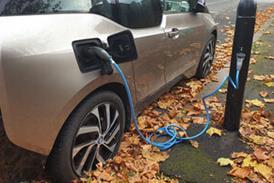
The London Borough of Harrow is the latest organisation to invest in kerbside sockets, partnering with Trojan Energy to roll out 100 devices across the region.
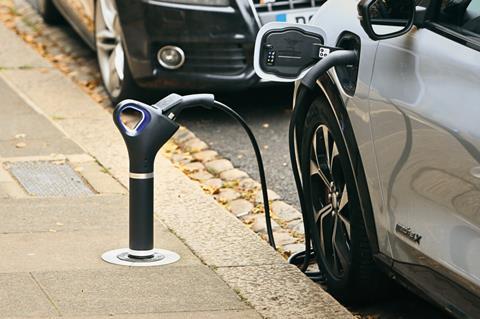
The firm takes an unconventional approach to the thorny issue of integrating chargers into roadside furniture, installing ‘flat and flush’ sockets into the ground.
Drivers with Trojan sockets in their areas then get a free ‘lance’ from the firm that they keep in their car, and when it’s time to charge they connect this to a buried Trojan socket before plugging the connected cable into their vehicle’s charging port.
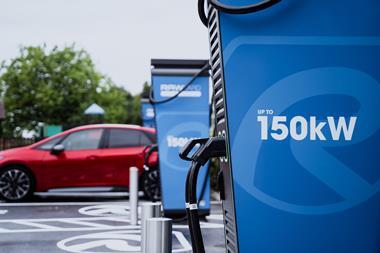
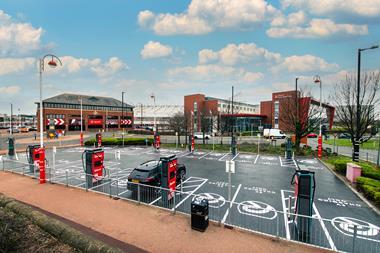
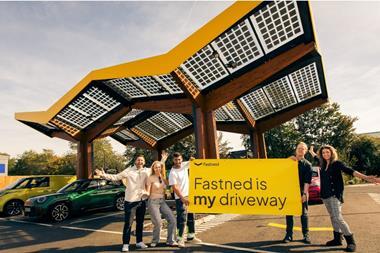
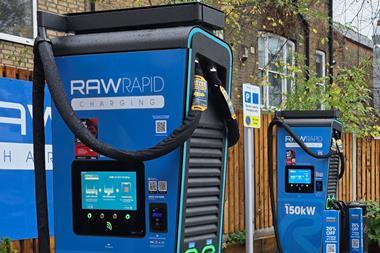
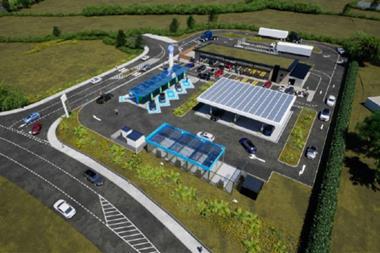
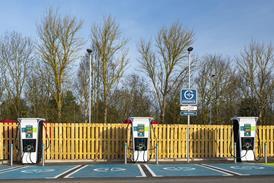
The Harrow project is indicative of the differing approaches that exist within the world of EV charging. While some firms – such as Ionity, Be.EV and Fastned – concentrate on building standalone hubs with ultra-rapid (150kW+) devices that can replenish EV batteries in 30 minutes or so when motorists are on the road, others, like Trojan and Connected Kerb, prioritise slower (typically sub-22kW) chargers for motorists without off-street parking to plug into overnight.
In the early days of the EV push the government focussed on hubs, but today, Westminster is prioritising at and near-home chargers, cutting planning regulations to make devices easier to install, and putting £200m into the Local Electric Vehicle Infrastructure (LEVI) fund. It also spend £44m via the On-Street Residential Chargepoint Scheme which, while now closed to new applicants, helped fund the Harrow project.