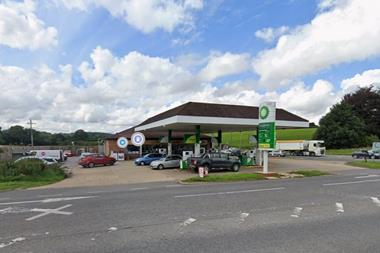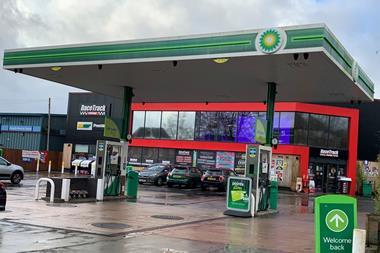
















The people behind Yorkshire business Sewell on the go are as loyal as they come. The family business has won plaudits for supporting its employees; it has only sold one of its stores during its 38-years of growth as a petrol retailer, and its relationships with suppliers span decades.
And so when its managing director Patrick Sewell announced that he had switched his 12 forecourts to Co-op Wholesale in August, the industry sat up.
“We like to build partnerships,” explains Sewell. The company has been all in with BP at all its sites, based around Hull, for 14 years. It has used CBE for its till systems and back office IT for 14 years. And now it hopes for a long-term relationship with Co-op Wholesale for its grocery supplies after ending a 23-year arrangement with Londis.
The decision to switch to Co-op Wholesale comes at a pivotal moment for Sewell on the go as it plans its first new-to-industry development on a 1.2 acre plot of land in Beverley near its Hull heartland. It sold its Wyton Bar Service Station in Bilton, Hull in March to help fund the £5m project, which is set to include a 5,500sq ft convenience store, valeting, and half a dozen electric vehicle charging bays, with space for more.
Sewell expects to hear mid-January if he is to get the green light for the site – which will have a farm shop feel, with plenty environmental touches, and which has been going through the planning process for two years, with support from 15 consultants.
With each of his forecourts having a different personality, Sewell – who took over the running of the business from his father Paul around 30 years ago – needed to be sure that the Co-op brand would fit across his estate. The big appeal was its quality positioning with its premium Irresistible own-brand offer, and emphasis on fresh, and meals for now and later.
Sewell prides himself on having established an upmarket positioning over the years – with a bottle of Johnnie Walker Blue Label whisky on free sale in his Willerby store for £335 before Christmas, for example; plenty of local bakery and alcohol products, and stocks of Cartright & Butler tins of biscuits usually found in posh foodhalls in London.

He likes his business to be seen as a “bit quirky” and says that Co-op Wholesale gave him the “flexibility to stock best in class products while adding our own local choices”, and themed displays for an extra layer of interest.
He says that since all of his sites began stocking the new range from Co-op Wholesale in October, sales of chilled and sandwiches have increased by 25%, with most other categories showing increases of around 3-5%. That is important when you consider that mirroring industry trends tobacco turnover is down 20% and alcohol by 2-3% in the past year for the business, says Sewell.
The 500ml Co-op own-brand water for 99p is the top selling water in his business; and Patrick has been impressed with the breadth of the Co-op own-brand range, with egg and mayo, and chicken satay pots, for instance, giving a wider snacking portfolio.
“I want to focus on eat now, later and top up. I don’t want to compete with Morrisons and Sainsbury’s for the weekly shop,” says Patrick. “Stocking Co-op own brand is giving us a different type of product,” he adds, pointing to Co-op Irresistible Hand Cooked Sea Salt & Chardonnay Wine Vinegar Crisps as an example.
And he says this is just the start. The Co-op Wholesale range has essentially been shoe-horned into existing shop formats, with drinks being moved to different chillers, for instance, to make way for a dairy range at a couple of the stores Sewell showed us around.
“I’ve had to start saying ‘yes’ more often, trusting the process and Co-op Wholesale,” says Sewell.

The next phase is for the business to redevelop sites – starting with its flagship South Cave outlet in the new year, which will be given a refurbishment with new chillers chosen to best display the range.
He also plans to increase his listings of Co-op own-brand lines – doubling its presence in alcohol for example. Currently there is a sprinkling of Co-op products throughout most of the categories in Sewell on the go stores, with a strong emphasis on own-brand in the sandwich/snacking and dairy chiller.
At a glance in the three sites we visited, Co-op own-brand currently stands at about 10% of the total range in terms of layout.
“Taking more Co-op branded lines will make things easier as we will be dealing with a couple of suppliers instead of four of five, for example in wine,” he says.
The South Cave forecourt, which was knocked down and rebuilt 10 years ago, and has recently been upgraded with a Washtec rollover carwash, will then be used as a template for others in the network to follow.
Co-op branding is currently limited to shelf-talkers, and signage on the forecourt. But this will change too in the next phase of incorporating Co-op own-brand into the business. Stronger branding is likely to appear on Sewell’s fuel totems and fascias to show that Co-op own-brand is listed.

Sewell says that the transition to Co-op Wholesale has been tougher than he envisaged. “We wanted to do it properly and so we did it the hard way,” he explains, with the business replacing its existing back office computer system at the same time.
“But the teething issues we have had have been down to Sewell on the go, rather than Co-op Wholesale. We needed to make the changes we did for the long-term success of the partnership,” he adds.
Sewell has also been trialling a new loyalty programme to make the most of the move to Co-op Wholesale. In the new year he plans to switch providers from PDI Technologies to Lynked Loyalty, using an app instead of a card, and replacing money-off deals with a ’buy a certain number of products and get one free’ model.
Together with the Co-op Wholesale range, the idea is that Sewell on the go’s existing 4,500 loyalty programme users will be encouraged “to keep coming back”, says Sewell, displaying the same loyalty hopefully that he shows in business.