













For some unfathomable reason, 2025 saw all manner of critics decide to take potshots at the forecourt sector.
We say unfathomable because without filling stations, the UK would quite literally grind to a halt, while the 85,000 people who work in the sector must juggle more business areas than almost any other industry, from convenience retailing and fuel management, to valeting and EV charging – all while having the temerity to turn a profit.
The most recent broadside came in November, when Rachel Reeves spoke of “rip offs” when discussing petrrol stations in her Budget speech – despite the fact her Treasury is more than happy to collect the £25bn drivers pay each year via garages.
The sector didn’t take this attack lying down, with the Petrol Retailers Association chastising the Chancellor’s “inaccurate characterisation and disappointing rhetoric”, and requesting she use “more careful, less inflammatory language” in future.
It wasn’t just the Treasury, though: the Competition and Markets Authority, alongside the Department for Energy Security & Net Zero, are mandating retailers sign up to the forthcoming Fuel Finder scheme, while the CMA continues to berate forecourts for what it deems “deeply concerning” fuel margins – despite the watchdog admitting it has not considered rising operating costs when analysing the sector – a rather significant oversight, it’s fair to say.
Again, the PRA had to tell authorities they had got the sector wrong, explaining why it would be unfair and impracticable to mandate forecourts report ‘grade outs’ to Fuel Finder. Fortunately, the CMA saw sense and withdrew this requirement from the scheme.
On the subject of Fuel Finder, while questions remain about whether the multimillion pound scheme will really bring savings to motorists – and if the £40 annual reduction in household bills the government predicts it will manifest justifies the extra legwork it means for operators – we took a look at V3 Global, the company that won the contract for the project, a story that was subsequently picked up by Private Eye.
Et tu, rival sectors?
It’s arguably unsurprising that politicians – with their magpie-like attention spans having been swayed by electric cars – see fit to attack fuel retailers, but it’s rather galling for other businesses to have a pop.
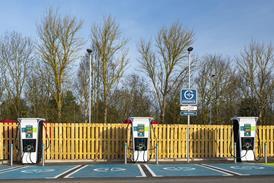
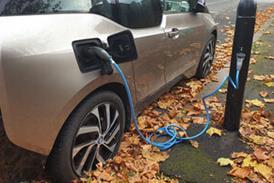
In June, a chargepoint firm called Be.EV put out a press release saying it was time to “call in the undertaker” for filling stations and repurpose “the soon-to-be-useless land” they occupy, with Be.EV paying little heed to the tens of thousands of jobs that would be lost were the industry to turn up its heels.
Forecourt Trader pushed back against these pronouncements, publishing a comment piece that took Be.EV to task, asking if its language and messaging were appropriate, whilst highlighting the financial fragility that continues to plague electric cars and the devices that replenish them.
In fairness to Be.EV, the firm’s chief executive, who made the contentious comments, reached out offering us an interview, and while that chat didn’t produce a change of heart from either side, it established some much-needed cordiality in a debate that is often characterised by hot tempers.
Another arrow – or rather a volley of arrows – has been fired at forecourts by the RAC, which has for some time been criticising fuel retailers for their perceived profit margins.
As with the Competition and Markets Authority, the RAC chose to ignore the increased staff, energy and borrowing costs forecourt firms must do battle with as they operate.
Unlike the CMA, however, the RAC is a commercial organisation, and a quick inspection of its financial results revealed profit levels that are healthy enough to bring its criticism of others’ margins into question, something we were happy to do.
And while correlation and causation are often confused, it was interesting to observe that in the months that passed following our op-ed, the RAC chose not to criticise retailers as it passed comment on fuel prices.