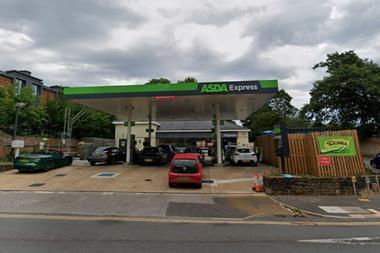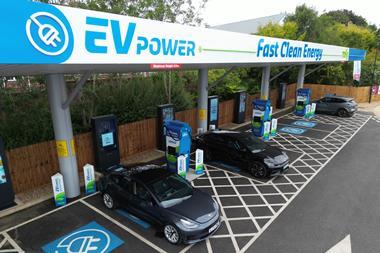


















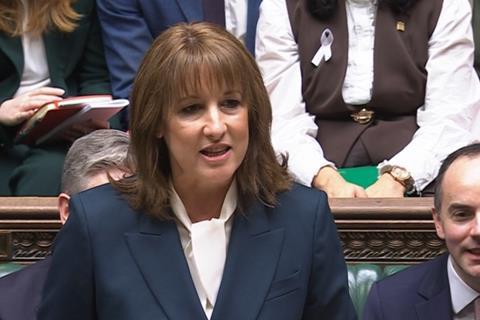
Forecourt operators have reacted to the measures included in this year’s Budget with general dismay, while criticising Chancellor Rachel Reeves for refering to “rip-off” fuel retailers.
Reeves used her 2025 Budget to announce that the 5ppl discount on fuel duty, in place since 2022, will come to an end from next September with a series of “staged increases”.
She also claimed that the multi-million Fuel Finder scheme, due early next year, will save drivers £40 a year, and said she is ”empowering drivers to find the cheapest fuel, calling out rip-offs and strengthening competition”.
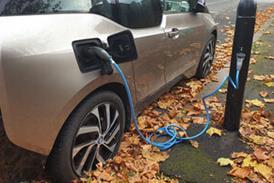
The Budget included confirmation that the much-publicised leak of a pay-per-mile charge for EVs will go ahead in 2028. This will see electric-car owners make an annual tax payment based on a rate of 3p per mile, with plug-in hybrid drivers charged 1.5p per mile. Conventional hybrids will escape this tax.
Other relevant changes for forecourt operators include an increase to the National Living and Minimum wages; an end to the exemption from the soft drinks industry levy that milk-based drinks previously enjoyed; and an increase of alcohol and tobacco duty in-line with inflation.
Fears that the fragile chargepoint sector would be “hollowed out” by reforms to business rates that would seem firms pay tax on the land from which they operate have been quelled, with the Chancellor confirming this rumoured change will not be implemented
Fuel retailers respond
David Charman, who runs Spar Parkfoot in West Malling, Kent, said the Budget was “largely as expected”, though added that Reeves’ reference to rip-offs in the fuel-retailing sector was “a disgraceful statement”, adding that “the government needs educating in what running a retail business in 2025 actually looks like”.
That sentiment was echoed by Pricewatch general manager Tom Buckley, who called the Budget disappointing, though “not as bad as I feared”. Buckley said the minimum wage increase will ”only add to the strain on already struggling businesses”, while adding: “It was particularly frustrating to see forecourt operators singled out, when we are facing sharply rising costs and margins that are simply not improving”.
Johnny Srikrishna from SJS Group questioned the worthwhileness of Fuel Finder, saying: ”This will save households £40 a year - that’s just 11p per day. What’s the cost of implementing this scheme? This is another case where the regulation is worse than the problem.”
Seb Hawtree from Hawtreee & Sons warned the Living and National Wage increases will “add pressures” to the sector, while Prem Uthayakumaran from Prehybrid described the Budget as “a sticking plaster”, and independent operator Goran Raven said that “lots could have been done to stimulate businesses, but these actions seem to have been missed”.
Gordon Balmer from the Petrol Retailers Association said the end to the 5ppl cut ”will significantly increase the financial burden on motorists”, while also impacting haulage costs, which will in turn push up consumer prices. Balmer added that the savings promised by Fuel Finder are “at best optimistic”, though he welcomed the continuation of the 100% business rate relief for EV charging spaces.
Other measures and reactions
The £40,000 threshold for the ‘expensive vehicle supplement’ to road tax that sees cars costing over that amount hit with a £425 annual charge for five years, meanwhile, will increase to £50,000 for EVs. And a freeze on income tax thresholds until the end of FY 2030/31 will effectively result in a tax hike for millions, as incomes rise over time and with inflation, and people are pushed into higher brackets.
The RAC’s head of policy, Simon Williams, said any relief drivers feel of fuel duty staying the same “will be very short-lived given the staggered increase from next September”.
Responding to the EV pay-per-mile EV tax, Adrian Fielden-Gray, chief operating officer of chargepoint firm Be.EV said that “adding extra costs on top of EV usage runs against the grain of both the progress we have made on road electrification and the destination that we need to be driving for.
Paul Holland, managing director for UK fleet at Corpay, which owns Allstar, said: “The Autumn Budget has landed and it is every bit as tough as expected. Higher taxes, reduced growth forecasts and a new mileage tax for electric vehicles all point in the same direction. Costs are rising again and the businesses keeping the country moving are being asked to absorb even more pressure.”