

















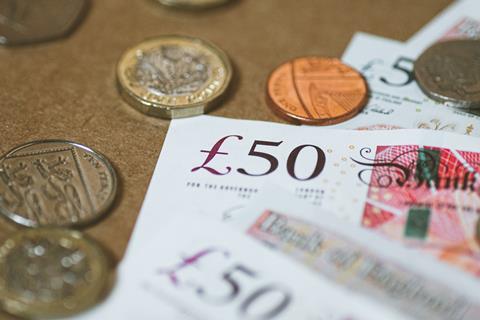
The government has confirmed that the National Living Wage will increase by 4.1% from April 2026, rising from £12.21 to £12.71, while the Minimum Wage, which applies to those aged 18 to 20, will rise by 8.5% to £10.85.
Announcing the rises ahead of her Budget, Chancellor Rachel Reeves said “the cost of living is still the number one issue for working people and that the economy isn’t working well enough for those on the lowest incomes”, with the increases introduced “so that those on low incomes are properly rewarded for their hard work”.
The increase will result in a £900 annual pay increase for the 2.4m workers who earn the Living Wage, and has been described by the GMB Union as “fantastic news” and “a much-needed pay rise”.
Business leaders have been more sceptical, though. Anna Leach, chief economist at the Institute of Directors, commented: “These changes benefit only those who remain employed, but the rising cost and risk of employment are already reducing job opportunities.”
Concerns also remain that with the unemployment rate for those aged 16 to 24 standing at 15.3% in Q3 2025, up from 14.8% the year before, the Minimum Wage hike in particular could discourage firms from hiring younger people.
Jane Gratton, deputy director of public policy at the British Chambers of Commerce, warned that “making employment more expensive risks deepening the jobs crisis among young people”.
She added that “every above-inflation wage increase leads to higher business costs, lower investment and fewer opportunities for individuals”, and said the government should use the Budget to “ease cost pressures for business”.