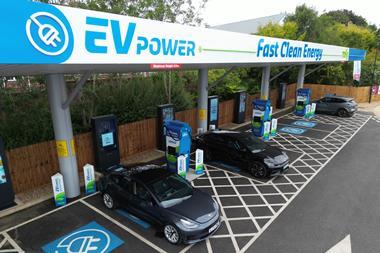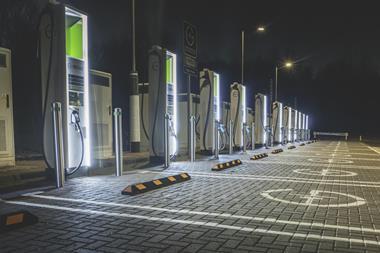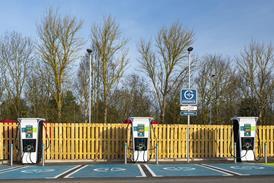

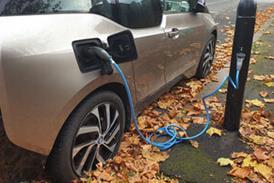




















A group of nine EV chargepoint firms has written to The Treasury urging it to reconsider a proposed change to the tax code that will be “immeasurably damaging” to the sector, and cost electric-car drivers up to £300 a year more.
Public charging bays are currently exempt from business rates, but from April 2026 operators are set to have to pay a 49.9% levy on the value of the bays on which chargers are installed.
The Telegraph reports that Chancellor Rachel Reeves is “believed to be considering an intervention” on the matter in her upcoming Budget, while chargepoint firms including Gridserve, Source EV and Osprey have written a joint letter to Daniel Tomlinson, Exchequer Secretary to the Treasury, urging the body to reconsider the matter.
The introduction of business rates for EV bays is being spearheaded by the Valuation Office Authority (VOA), an executive agency of HMRC that “gives the government the valuations and property advice needed to support taxation and benefits”, according to its website.
The VOA had previously exempted charging bays from business rates under rules designed to encourage the uptake of ‘green’ energy initiatives.
That exemption is due to end next year, with the VOA estimating the change could bring in £25m to government coffers – though chargepoint firms say the bill could be four times that. Business rates would also be applied retrospectively from 2023, bringing with them an immediate and substantial tax bill for operators.
The letter, seen by The Telegraph, describes the change as “immeasurably damaging”, adding that it would lead to a “hollowing out of the sector” and be an ”insurmountable barrier to EV adoption”.
While finance firms continue to invest in chargepoint firms, many operators are failing to turn a profit, with Gridserve posting an £80m loss for the last financial year. Insiders highlight that as well as EV sales being below target, and the fact that 91% of owners can charge at home, one issue many operators face is that they lease, rather than own the land from which they operate hubs.
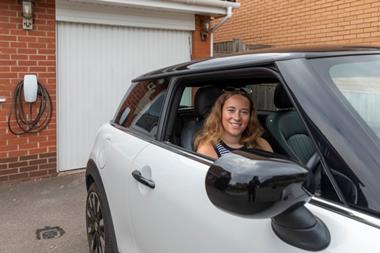
A Treasury spokesman highlighted the government is focussed on making charging at home easier, telling the paper: “We recognise most drivers want the convenience of charging at home, which is why we have published guidance for local authorities on cross-pavement solutions and offer a grant to households with on-street parking.”