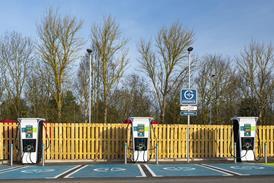





















Much has been written about the struggling sales, missed targets and cliff-edge depreciation that electric cars are subject to, but some EV chargepoint firms are also having a tough time, with Gridserve recently publishing an £82.7m loss for the last financial year.
The UK-based firm, which was founded in 2017 and took over Ecotricity’s ‘Electric Highway’ in 2021, replacing the network’s aging chargers with newer units, lost £54.8m in 2023.
Over the same period, Gridserve cut its employees from 320 to 239, though its turnover rose from £29.1m to £46.2m, while in mid-July the firm secured a £100m investment from TPG, Infracapital and Mitsubishi.
The company continues to roll out new projects, including a 7,200kWh battery storage facility at its flagship Gatwick recharging hub, while it recently partnered with Nissan to construct a recharging facility for electric HGVs at the car marker’s Sunderland factory.
Gridserve isn’t the only chargepoint firm to have faced difficulties of late. Pod Point, once valued at £350m, was last month bought by EDF for just £10.6m, while at the beginning of the year BT cancelled plans to repurpose 60,000 soon-to-be-outdated green street cabinets into EV chargepoints after converting just a single unit.
Dutch home-charger firm EVBox was liquidated by French owners Engie in late 2024, while at a recent gathering of UK forecourt operators, none said they were making a margin on forecourt plugs.