



















It’s difficult to know where to begin with the year-long study into EV driving habits recently published by the Department for Transport.
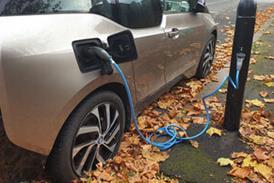
The most striking figure is arguably that 91% of EV owners can charge at home. With around 1.6m electric cars registered in the UK, the base of regular customers for all chargepoint providers therefore stands at just 144,000 people.
Because if you can make use of a domestic charger, you’ll do so as often as possible over public points, where power can cost 10 times as much. And while it’s true owners with home chargers will occasionally need to top up in public, this is likely to be a rare event as the study found that 51% of EV drivers only make long journeys (100 miles+) once a month or less, with a further 9% never venturing so far afield.
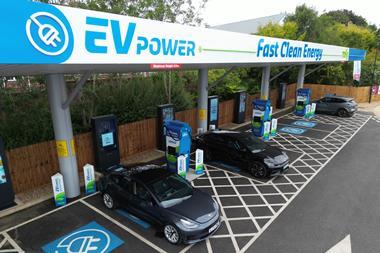
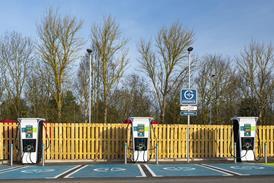
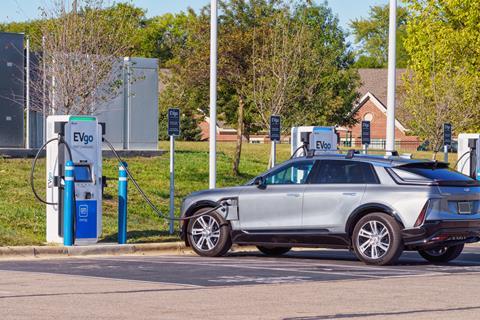
Shrinking the customer base for forecourts further is the fact that EV drivers “strongly prefer” dedicated charging hubs, with A-road and motorway chargers used “less often”. How less often? Well, the research didn’t drill down into forecourt charging specifically, but of the 698 EV drivers studied over 12 months, 64% reported they use chargers at A-road services just twice a year or less.
EV owners with second cars
Also of note is that 54% said their EV was a second car, with over 50% having a car with an internal combustion engine of one kind or another. Given drivers’ reluctance to use public points, and the infrequency with which they make 100-mile-plus trips in their electric vehicles, it stands to reason that EV owners will often select from their garage a car that uses petrol or diesel when long journeys are required.
Then there’s the fact that the most common session at a public point sees batteries charged from 20% to 70%. With the average size of an EV’s battery being around 60kWh, a typical public recharging session will involve a driver putting just 30kWH of electricity, costing only £28 or so, into their car. This is all the more galling given a single chargepoint can cost forecourt owners £500,000 to install, enough money to get you a very nice site refurbishment.
While some operators no doubt prove the exception to the rule and find success with sockets, forecourt charging sessions can be generally characterised as low-value, infrequent transactions requiring expensive equipment used by a small, reluctant customer base.
There are a couple caveats to this research. First, 698 EV drivers (a further 309 PHEV owners were also analysed) is a small sample to extrapolate to our 1.6m electric cars – though this is a decent number for a longitudinal study, while participants were selected with quotas for age, sex and region, making the data “representative of the total EV driver population in the UK”, the report’s authors say.
Then there’s the fact that the number of EVs on the road will only grow as sales mandates ramp up ahead of the 2035 deadline requiring every new car in dealership showrooms to be zero emission. Leaving aside the billions of taxpayer money being used to push these cars, and the vast fines car makers face if they sell too many petrol models, for forecourts that have or are planning EV chargers, it’s slim pickings out there right now.
The legislative landscape
This comes against the catch-22 legislative situation that fuel retailers are in at present. First, you have the Competition and Markets Authority criticising operators’ “deeply concerning” fuel margins of, shock horror, 9.8%. Meanwhile, the Department for Energy Security and Net Zero (the same outfit that pushes EVs) has been tasked with implementing a mandatory price-sharing scheme for forecourts as a result of the CMA’s findings.
Simultaneously, regulations around sustainability and net zero require that require carbon offsetting to be factored into planning applications for forecourt builds and redevelopments often make EV chargers a near necessity.
This means the government is pushing EVs and chargepoints, which, thanks to research like the DfT’s, ministers know are generally unpopular and lose manufacturers and infrastructure providers money. At the same time, various Whitehall departments are legislating against firms selling petrol and diesel cars and the fuels they run on, despite these being profitable, and in high demand.
Whatever the intention, UK governments of various stripes have devised a policy landscape that mandates unpopular, unprofitable goods while legislating against popular, profitable ones. This is an undemocratic, disordered set of legislation that’s so bad for business it could almost be described as anti-capitalism.