














All eyes may be on the Budget, but the government has already confirmed that the exemption from the sugar tax previously enjoyed by milk-based drinks will come to an end from January 2028.
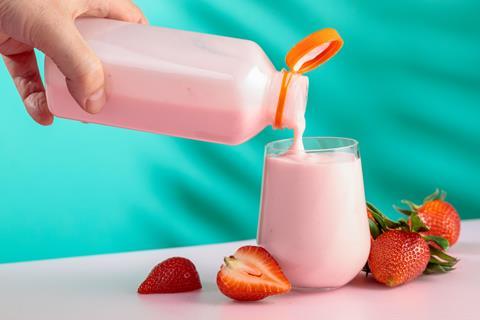
In a move trumpeted to save £1bn in health and economic benefits, “pre-packaged milk-based and milk-alternative drinks with added sugar” will be categorised so as to fall under the soft drinks industry levy (SDIL). This applies a 25.9p per litre charge to drinks with more than 8g of sugar per 100ml, and a 19.4p tax per litre to drinks containing between 5g and 8g of sugar.
Described by the Health Secretary as “a simple move”, the end of the milk-exemption from SDIL will see a 330ml bottle of Frijj Fudge Brownie Flavour Milkshake (10.9g sugar per 100ml) hit with a new 8.57p tax; while a 250ml Costa Ready-to-Drink Latte will attract a 4.85p levy thanks to its 7g of sugar per 100ml; and a 220ml Starbucks Caffe Latte Iced Coffee will attract a 5.7p government charge due to its 8.2g of sugar per 100ml.
The Department of Health and Social Care says the tax change means “children will have a healthier start to life”. It follows thematically linked rules that include a ban on advertisements for unhealthy food before the 9pm broadcasting watershed, which came into effect last month.
Rather than push the price of their drinks up in addition to going through the hassle of setting up new payment lines to the Treasury, drinks firms with products that fall foul of SDIL are instead likely to reduce the sugar content of their products.
Similar moves followed the introduction of the high fat, salt and sugar (HFSS) tax, with brands including Walkers and Lucozade altering many or all of their recipes to avoid charges associated with that legislation.
Announcing the end to milk-based drinks’ exemption, Health and Social Care Secretary Wes Streeting said that “an unhealthy start to life holds kids back from day one, especially those from poor backgrounds like mine.”
He added that the government is “on a mission to raise the healthiest generation of children ever”, and that “a healthier nation will mean less pressure on our NHS, a healthier economy and a happier society.”