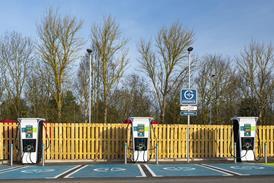

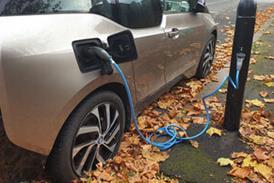
















The cost of charging an EV on the public network, regardless of flat rate or peak, off-peak rate offers and speed of charge, have remained frozen from October, according to the latest AA EV Recharge report.
The AA says even EV drivers who are unable to charge their car on a tariff set at the OFGEM energy price cap have benefited from cheaper recharging, compared to the ongoing rise in petrol prices.
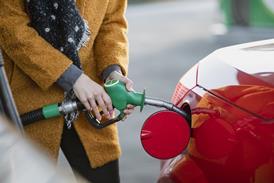
In one month alone, the cost of petrol rose 1.4ppl, meaning the cost to refill a tank was in excess of £43, compared to just £10 at the OFGEM cap. For those EV drivers with a home EV tariff using a home charger, that price can be as little as £2.40 based on an average off-peak home tariff of 6p/kWh.
AA EV Recharge Report, November 2025. Flat rates
| Charge Type | Speed | Nov Ave (p/kWh) | Oct Ave (p/kWh) | Difference (p/kWh) | Cost to add 80% charge | Pence per mile (p/mile) |
|---|---|---|---|---|---|---|
|
Domestic |
Up to 7kW |
26 |
26 |
0 |
£10.40 |
5.88 |
|
Slow |
Up to 8kW |
50 |
50 |
0 |
£20.00 |
11.30 |
|
Fast |
8-49kW |
61 |
61 |
0 |
£24.40 |
13.79 |
|
Rapid |
50-149kW |
73 |
73 |
0 |
£29.20 |
16.50 |
|
Ultra-rapid |
+150kW |
78 |
78 |
0 |
£31.20 |
17.63 |
|
|
|
|
|
|
|
|
|
PETROL |
136.70 ppl |
135.30 ppl |
1.40 ppl |
£43.74 |
11.95 |
|
AA EV Recharge Report, November 2025. Peak and Off-Peak rates;
| Charge Type | Speed | Nov Ave (p/kWh) | Oct Ave (p/kWh) | Difference (p/kWh) | Cost to add 80% charge | Pence per mile (p/mile) |
|---|---|---|---|---|---|---|
|
Slow Off-Peak |
Up to 8kW |
45 |
45 |
0 |
£18.00 |
10.17 |
|
Slow Peak |
Up to 8kW |
59 |
59 |
0 |
£23.60 |
13.33 |
|
Fast Off-Peak |
8-49kW |
45 |
45 |
0 |
£18.00 |
10.17 |
|
Fast Peak |
8-49kW |
50 |
50 |
0 |
£20.00 |
11.30 |
|
Rapid Off-Peak |
50-149kW |
55 |
55 |
0 |
£22.00 |
12.43 |
|
Rapid Peak |
50-149kW |
74 |
74 |
0 |
£29.60 |
16.72 |
|
Ultra-rapid Off-Peak |
+150kW |
50 |
50 |
0 |
£20.00 |
11.30 |
|
Ultra-rapid Peak |
+150kW |
59 |
59 |
0 |
£23.60 |
13.33 |
|
|
|
|
|
|
|
|
|
PETROL |
136.70 ppl |
135.30 ppl |
1.40 ppl |
£43.74 |
11.95 |
|
Meanwhile, the AA’s latest EV Readiness Index has revealed that despite good progress, the last 12 months has been filled with conflicting policies, advice, rumours and general ‘angst’ among the driving public when it comes to EVs.
As 2026 rolls in, The AA is calling for clarity to help those who may have been confused or worried about choosing an EV to help make the change.
This includes helping to install more EV chargers and pavement gullies, reducing the cost of charging away from home and introducing a grant to help bolster used EV sales.
Jack Cousens, head of roads policy for The AA, said: “EV drivers will be pleased that they have been protected from ongoing fuel price hikes as the cost of charging remained frozen. The other benefit of driving an electric car is that drivers see the same prices wherever they are, rather than the postcode lottery of pump prices.
“However, the ongoing uncertainty is denying some drivers cheaper running costs. For those who can park on a driveway, install a home charger and set up an EV tariff with their energy supplier, they will usually be quids in.
“Rumours of policy changes regarding the relaxation of EV sales into 2030 and 2035, as well as the proposed introduction of pay-per-mile EV taxes are just some of the reasons would-be owners are nervous about making the switch. If the government is serious about helping more people go electric, they will need to address these concerns in 2026.”