At a gathering of young forecourt operators last week, there was a mood of optimism about the prospects for running petrol filling stations into the next decade or so.
Most of the eight representatives attending the meeting were from the next generation of family businesses, which among them numbered several Top 50 Indies and represented around 300 forecourts.
The group included Hemant Tandon from Park Garage Group, Shilan Raja from Highway Stops, Jamie Sejpal from Platinum Retail, Kayalvili Nanthakumar from Tankerford, Ben Lawrence from Lawrences Garages, Lewis Trevellyan from Sectorsure, and former MFG contract manager turned forecourt operator Prem Uthayakumaran.
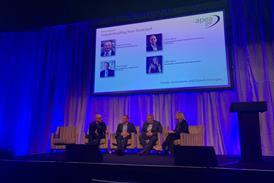
The meeting was hosted by property agent Christie & Co and legal practice Winckworth Sherwood, and conversation started with a discussion on the dynamics of a family business, with most feeling they were fortunate to have the opportunity but also had to earn the right to be in their position.
Healthy trading across their businesses was the norm, despite challenges from some customers “trying their luck” by making spurious liability claims. Other concerns were next month’s disposable vape ban, blatant theft, and increasing costs due to the higher minimum wage, living wage, and National Insurance contributions.
Those attending reported steady profit margins since the pandemic, despite the added cost challenges. Several were busy absorbing new sites into their businesses and developing others.
The group seemed happy to take calculated risks to try out new concepts. These ranged from creating their own brand of bakery and food to go – in the case of Park Garage Group and Tankerford – to opening a valeting-only site. One popular suggestion involved combining to set up an independent fuel card to combat expensive fuel supplier card transaction charges.
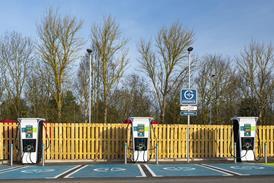
Experience around electric vehicle charging was varied, ranging from not wanting to waste valuable car parking or jet wash space, to rolling out state-of-the-art charging hubs. Chair for the day, Christie & Co’s managing director of retail and leisure, Steve Rodell, pointed out that the petrol station sector was still at an early stage of adopting EV chargepoints and other alternative fuels might follow.
Developing car washing was cited as an area of interest for most in the room, but that is not without challenges. Engineers are reluctant to attend sites out of usual working hours, for example, frustrating the family businesses operating long hours. Fraudsters have also been “trying it on” with claims for damage to their cars from the washing equipment, one or two found, with AI-generated claims letters becoming prolific across the industry.
Crime against staff remains a hot topic and is costly to operators. Paid-for solutions such as automatic number plate recognition and face recognition systems can help reduce this. However, it was agreed that community engagement with local law enforcement is likely to yield the best results in crime prevention.
The challenge of staffing and willingness to work irregular hours was another theme. It was appreciated that the perspective and expectations of a business owner are often very different to an employee who does not have a vested interest. Some operators now pay more than the minimum wage and see a benefit from higher performing staff, it was said.
Petrol prices were also debated. Perhaps tongue in cheek, but with an element of seriousness, Rodell suggested operators consider adding a penny a litre onto their fuel price to help cover the cost of crime. But that level of increase could put off motorists, he was told.
Robert Botkai, senior partner with Winkworth Sherwood, noted that the Tobacco and Vapes Bill gives government the ability to introduce a licensing scheme for the sale of retail tobacco products, herbal smoking products, cigarette papers, vapes and nicotine products. This would cover online and in-person retail, including petrol filling stations, and once introduced, a personal licence would be required to sell relevant products or possess them for the purpose of sale, as well as a premises licence. The scheme would be administered by the local licensing authority and the lead time would likely be somewhere between six to 12 months from the bill becoming law.
Rodell ended the meeting on a high telling the group that ”blue chip” investors in the City were showing interest in entering petrol retailing because it was a high cash generating sector.