









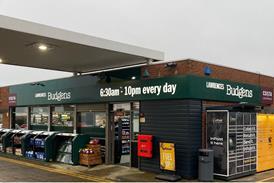








A small village in the Lake District is soon to feature a petrol station after planners gave the go-ahead, despite a number of objections from residents.
James Hall & Co, which operates around 48 petrol stations in the UK and is also the primary wholesaler to Spar retailers, applied in March 2024 to build a new forecourt in the Cumbrian village, which has a population of around 600 and is two miles to the west of Lake Windemere.
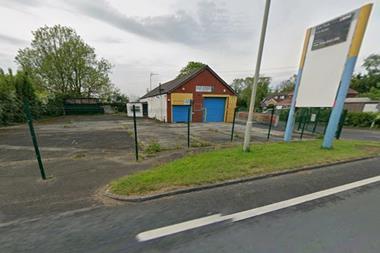
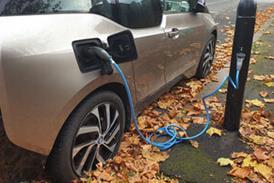
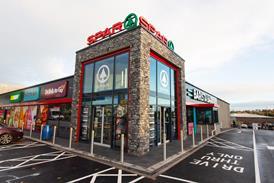
The filling station is to be built partly on land currently used as a car park and will feature a 6,500sq ft Spar-branded shop with solar panels, two eight-hose pump islands, two EV charging bays, a cashpoint, around 40 parking spaces and a low-height pole sign.
Fuel will be stored in a pair of 70,000-litre underground tanks, and while the original plans included a canopy roof for the pumps, this was removed from the application after it was indicated the conservation area the land occupies would preclude this feature.
Around 60 objections were raised to the development, with concerns including increased light and noise pollution, and the unsuitability of a “quintessential English village” as the setting for a forecourt. Hawkshead Parish Council also objected, arguing the development would be an “excessive” build for the area.
Some residents were in support of the development, however, highlighting the lack of nearby petrol stations, and the fact that a number of shops, including the local Post Office, had closed in recent years. A local business that lets out holiday cabins also supported the plans.
Weighing up these positions was the Lake District National Park Authority, which ultimately granted planning permission for the development.
Among the reasons for the scheme’s approval was an acknowledgement by the Authority’s development control committee that in addition to removing the canopy roof from the proposals, “significant concessions” had been made to the shop’s design, which was updated to feature traditional materials and a locally quarried stone facing.
The committee said that while the decision was “finely balanced”, the existing car park and its surroundings were deemed not to make “a positive contribution to the character of the conservation area”, while officers also highlighted the nature of this amenity meant there were already significant vehicle movements in the area.