


















The country must take steps to safeguard domestic fuel production, the head of trade body Fuels Industry UK told MPs this week.
Elizabeth de Jong told the Energy Security & Net Zero Committee that hydrocarbons – both fossil-derived and sustainable – would remain essential for transport, manufacturing and the wider economy for decades to come.
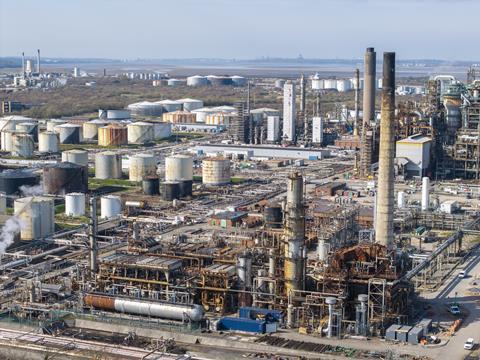
“The Iran crisis has shown that we cannot rely solely on other countries’ production,” she told the committee on June 17. “A strong domestic refining base alongside North Sea production supports jobs resilience and the entire manufacturing ecosystem. But without urgent protection against carbon and investment leakage, more UK refineries will close.”
De Jong told the committee – which is conducting an inquiry into managing the future of oil and gas – that UK refineries faced millions of pounds in carbon emissions policy costs not faced by competitors in the USA, Middle East or India. Fuels Industry UK is advocating for a UK Carbon Border Adjustment Mechanism or CBAM, which imposes taxes on imported fuel.
It comes as Sir Keir Starmer’s government comes under increasing pressure to relax its net zero targets and permit new drilling for oil and gas in the North Sea. The impact of job losses in the oil and gas sector is thought to have been behind the Conservatives’ resounding victory in yesterday’s Aberdeen South parliamentary by-election.
Fuels Industry UK was known as the UK Petroleum Industry Association until 2023.