









The conflict between Israel and Iran that pushed the price of oil up by 24% at the beginning of June has affected the average price of petrol and diesel at the pumps, a new analysis has found.
The RAC’s Fuel Watch programme says the average cost of a barrel of oil rose from $64 (£45) towards the end of May, to $79 (£58) on 19 June.
As a result, average retail prices for petrol and diesel rose respectively by 2ppl and 2.8ppl from the beginning of June to the start of July, the company said. The average cost of a litre of unleaded currently stands at 134.17p, while diesel is 141.2p. The RAC estimates this has increased the cost of filling a petrol car by £1.07, and a diesel one by £1.55.
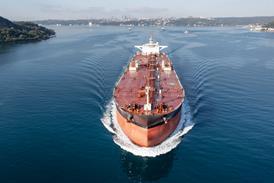
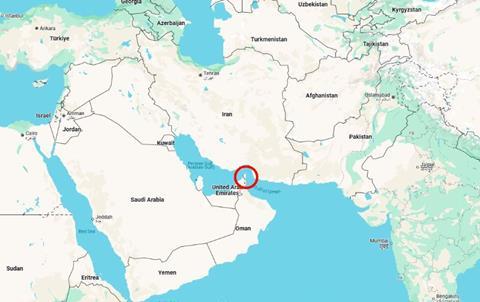
Some analysts had predicted the conflict would produce significant turbulence in the oil markets partly as Iran, which produces around 4% of the world’s oil, was thought to be considering blocking the Strait of Hormuz. The Strait is the only sea passage to the open ocean from the Persian Gulf – itself the world’s largest single source of crude oil. As a result, Hormuz is one of the world’s more crucial ‘choke points’, or geographical bottlenecks, for international trade.
But while recent reports indicate Iran was indeed considering blocking the Strait, the easing of tensions between it and Israel mean this eventuality did not occur.
Similarly, while the price of oil rose between late May and mid-June, that escalation has also sinced eased, with the average price of a barrel standing at $67 (£49) at the end of last month.
The RAC says it hopes “pump prices will now stabilise”, with the firm’s fuel spokesman, Simon Williams, commenting: “we see no reason for further increases as wholesale prices have come back down again”. Williams added that July will be a “telling month” for consumer fuel prices, which depend on “retailers more accurately reflecting wholesale price drops and ending so-called ‘rocket-and-feather’ pricing”.