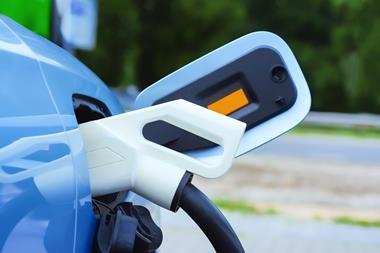




















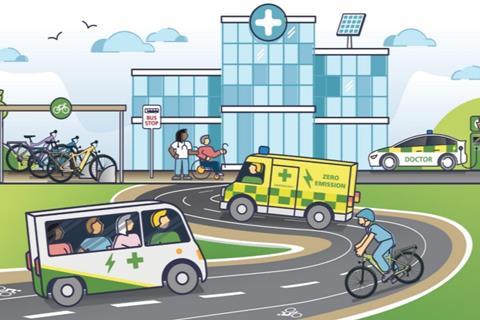
The National Health Service has received a total of £22m from central government to install chargers for electric vehicles at hospitals and other medical facilities.
The latest transfusion of cash comes by way of the Department for Transport (DfT), which has just sent £4m the NHS’ way so the service, which costs around £200bn a year to run, can install “hundreds” of sockets as part of a new programme dubbed the NHS Chargepoint Accelerator Scheme.
This latest dollop of cash follows an £8m prescription for plugs given to the NHS by the DfT last year, with a £10m shot being issued by Department for Health and Social Care at the beginning of 2026.
Ministers are adamant that they will save “millions” of pounds by making a significant proportion of the NHS’ 20,000 medical vehicles electric, citing reduced fuel and maintenance costs. As things stand every single NHS vehicle will be zero emission by 2040.
No figures have been shared regarding any additional costs associated with procuring battery rather than diesel-powered ambulances, but the DfT estimates electrifying NHS vehicles will “decarbonise 460 million miles of travel each year”. Our leaders say that any savings that materialise as a result of battery power will be put back into the health service.
Karin Smyth, who is Minister of State for Health, is a fan of the project. She promises taxpayers will be “getting more bang for their buck and more money for patient care”, and thinks there is “a moral case for this investment” as well as “a pragmatic one”.
NHS England employs a chief sustainability officer by the name of Chris Gormley, who has this to say on the matter:
“Thanks to this new funding and continued investment from the government, more NHS trusts will also save on fuel and maintenance costs. Zero emission vehicles are expected to save the NHS tens of millions every year, which can then be reinvested directly into frontline care for patients.”