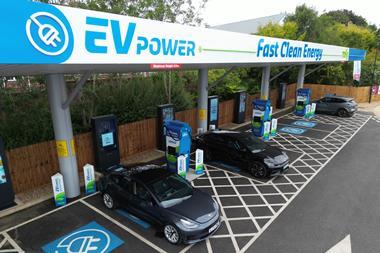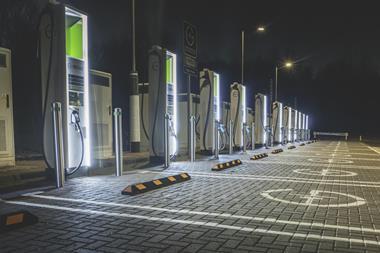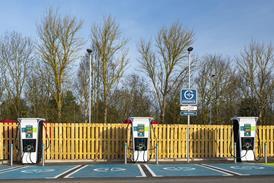

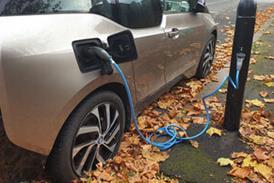
















Government officials are said to be considering cutting the VAT rate on electricity dispensed by public EV chargers to 5%, down from the 20% rate currently applied.
The move would equalise the VAT rate with the tariff applied to domestic electricity, which, when combined with public providers’ margins, can makes charging away from home up to 10 times more than using sockets on the road.
Electricity at ultra-rapid public chargers stands at 77p per kiloWatt hour on average, bringing the cost of taking a car with a 50kWH battery from full to empty to £38.50.
By contrast, the cheapest domestic tariffs allow EV drivers to pay as little as 7p per kWh when using scheduled, overnight smart charging, bringing the cost of the same amount of electricity down to just £3.50.
That disparity has been coined a ‘pavement tax’, as it inadvertently punishes those unable to charge at home due to a lack of off-street parking, a facility often associated with more expensive houses. At present, 91% of EV drivers can charge at home, indicating that this is something of a prerequisite for choosing an electric car at present.
One Whitehall source said: “The way we convince people to switch to EVs is by showing people it is easy and it is cheap. There are savings to be had here for many people.”
According to The Telegraph, which originally reported the story, Treasury officials are concerned the forthcoming pay-per-mile tax on electric cars will “kill EV demand”, which is already fragile, below mandated targets, and synthetically inflated by significant tax concessions, and incentives.
The Office for Budget Responsibility has warned the new tax, due in 2028, will put 440,000 people off buying an EV in the three years following its introduction.