















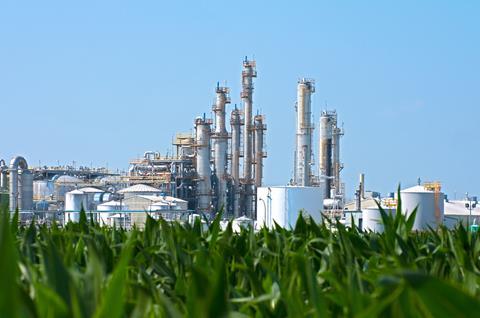
The trade deal struck with US may be good news for the UK automotive and aerospace sectors, but domestic biofuel production could end as a result of the agreement after 19% import tariffs on US ethanol imports were scrapped.
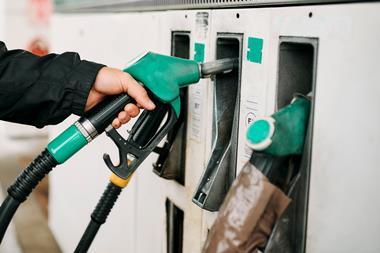
The standard grade of UK unleaded comprises up to 10% bioethanol, and with around 17 billion litres petrol sold here each year, that’s equivalent to up to 1.7bn litres of bioethanol being used. The US is the world’s largest producer of ethanol, making around 56 billion litres a year. By contrast, 153 million litres UK-sourced bioethanol was used here in 2023.
With contrasting scales such as that, the scrapping of the 19% import tariff on US is provoking headaches amongst UK biofuel producers. Ensus, which operates a bioethanol plant in Redcar, North Yorkshire, has warned the deal has “fundamentally undermined its business position”, according to the BBC. The broadcaster reports the plant could close “imminently”.
The Redcar plant takes grain from the UK and Europe and turns this into bioethanol, each year producing around 400 million litres of the fuel, which is both used in E10 unleaded in the UK, and exported to the EU. The only other bioethanol plant in the UK, a facility run by Associated British Foods in East Riding, said the removal of the 19% tariff was the “final blow”, with the BBC reporting the plant will close unless the government steps in.
By contrast, UK aerospace firms will benefit from a reduction to the current 10% tariff on jet engines and other aircraft parts made here, while car makers such as Jaguar Land Rover (now known as JLR) and McLaren will be rejoicing that Trump’s government will now only apply a 10% tariff on UK-made cars, rather than the 27.5% levy that previously existed.
Mike Hawes, chief executive of the Society of Motor Manufacturers and Traders, commented: “The fact the UK has secured a deal, ahead of many competitors, and which makes automotive a priority, should be recognised as a significant achievement”.