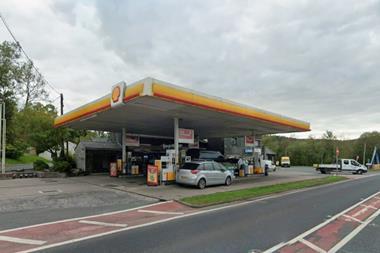






While fuel margins have more than doubled in the past decade or so, the continued onslaught of crime and increased business costs is leading some forecourt operators to investigate the idea of setting up a buying group to purchase fuel at the best rates.
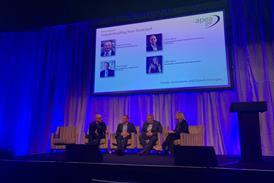
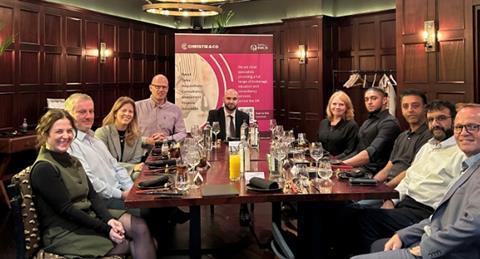
At a ‘round table’ business lunch of operators in the North West of England last week, several regional players in the industry said they believed independents joining forces would give them the best chance to improve the price that they pay for petrol and diesel. It is a theme that was mirrored by retailers at a similar event in London earlier in the year.
A management company would need to be appointed, and there would be membership for the group, which could vote on decisions in real-time, rather than having to meet. One operator suggested that buying fuel as a group was no different to benefiting from improved prices on groceries by joining a fascia group. But then operators don’t have to put food prices on a totem pole, and anything to do with fuel pricing will always come under scrutiny, came a voice of concern.
There was a consensus at the table that oil companies were ‘dictating all the terms’, with one now giving favourable pricing on a high volume site by site basis, rather than considering an operator’s estate as a whole.
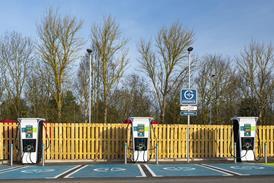
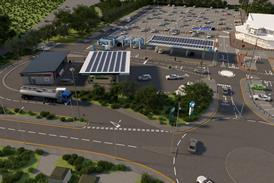
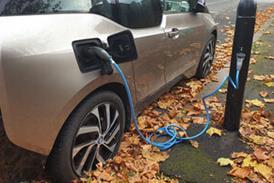
Another theme to emerge from the event, hosted by property specialist Christie & Co, was areas of investment, with EV charging low in priority for this group. Also, an experimental £80,000 investment on 18 solar panels at one site was said to be currently under-performing. The operator said that he would have better spent the money on a valeting hub, but that even this growing business opportunity needs careful consideration as jet washes do not work everywhere, he added.
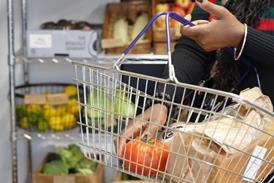
Also discussed was how petrol station owners have reduced ranges in line with convenience shopping falling back to pre-covid patterns, and the role of the forecourt shop for the most part returning to being for impulse food and drink and top-ups.
One operator shared that while sales may be slightly down in some of their outlets, careful ranging and negotiating with suppliers has meant that profit at these locations is actually more, and that reducing the number of SKUs from around 3,000 to 800 at a typical site has enabled the business to keep a smaller range well-stocked with few empty spaces.
Others agreed and said that they too had taken similar action, removing cooking from scratch ingredients such as flour, popular during the pandemic when locals used their forecourt rather than completing a weekly shop at the supermarket.
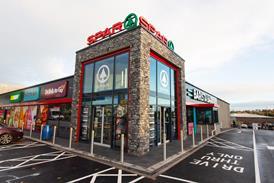
Another operator agreed that running the shop side of the business is hard for filling station owners, who generally came to the industry from the petrol retailing route, but said that Spar in particular had been an impressive partner in helping with ranging and merchandising.
Blatant shop theft, with everyday items such as detergents stolen to order and sold on to desperate people on the breadline, is a continuing challenge. This is ultimately a cost borne through increased security initiatives and staff protection that results in higher fuel prices.
The room agreed it is important that forecourt operators did not ‘chase sales’, activity which they warned could lead to disastrous consequences. Instead, they said it was important to seek and invest in efficiencies or new ideas. One such idea successfully trialled by one operator is “world sweets” – an area performing strongly for him. This seems to be a category able to absorb increased costs sometimes imposed by suppliers. However, anyone looking to follow suit will need to be prepared to source from multiple suppliers.
Attendees at the meeting included representatives from MPK Garages, AK Fuel, Pearl Forecourts, A&F, GEO2, alongside representatives from Winckworth Sherwood and Christie & Co.