

















Proposals from chargepoint firm Zest to install an EV station in a residential area of Hastings, East Sussex, have been rejected by the local authority following a series of objections from residents.
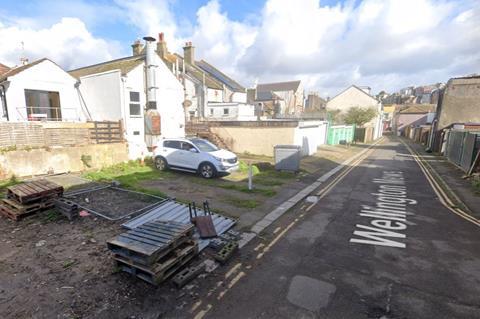
The chargepoint firm was seeking permission to install four EV charging bays on what Hastings Borough Council described as a “modest parcel of land” on Wellington Mews, a narrow single-lane back street in the centre of the seaside town. A pair of streetlamps would also have been installed as part of the development.
A total of 29 public comments were made on the plans, all of them criticising the proposals. Objections centred around a number of topics including expected increases in noise, traffic, light pollution and litter, and a loss of privacy, were the project to go ahead.
Residents also highlighted the overall unsuitability of the location for an EV charging station, particularly given the 24-hour operation that Zest was proposing.
The local authority ultimately sided with residents, refusing permission for the development. In its ruling, Hastings Borough Council said that given the regular movement of vehicles such an installation would bring, the project would have “a harmful impact on the character of the area”.
The authority found that an EV charging station would represent a ”significant intensification of use” of the area, and result in “harm” to its character and appearance. Citing concerns that the development would see “frequent arrivals and departures, door slams, conversations, and general activity”, Hastings found this would lead to “unacceptable noise and disturbance, particularly during evenings and night-time hours”, as well as ”a perceived or actual loss of privacy”.