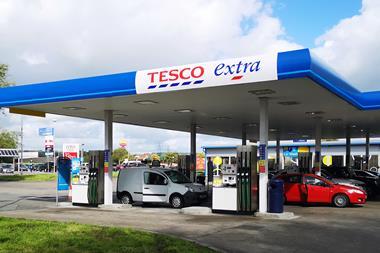
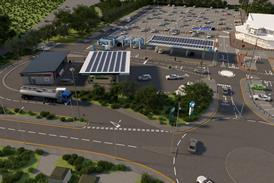








A forecourt operator is advocating the use of social media to stamp out the rise in fuel theft which has been taking place at petrol stations across the UK since the war in Iran has inflated petrol and diesel prices.
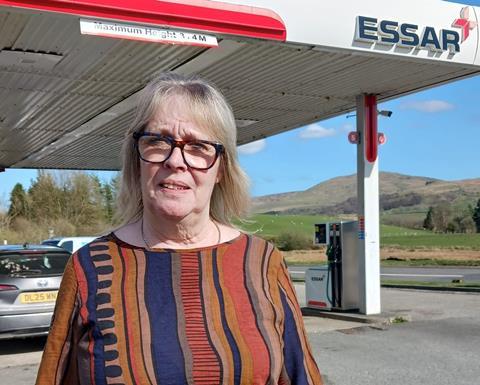
Judith and Tony Troughton, who own Prysor Service Station in Gwynedd, North Wales, used Facebook to help recover the cost of one of three drive-off incidents which have taken place at their rural site over the past eight weeks.
Within minutes of a driver making off without paying for fuel the business posted details of the offending van to its 1.8k followers, some of which took on the role of detectives.
Later that day the business received an online message from customers at a nearby pub, who spotted the vehicle and took it upon themselves to talk to the driver, finding out that they were staying in the locality.
Details were passed on to the police and the next day the van driver was questioned by officers on a nearby beach. Troughton was delighted to receive a call from that driver on the beach to pay for the fuel.
The incidents are part of an industry-wide problem. Rising petrol and diesel prices correlated with a 19% increase in unpaid fuel incidents in March, with the average forecourt losing £1,000 a month, according to the British Oil Security Syndicate.
The husband and wife have owned the Essar petrol station for nearly 10 years, and before the recent trio of incidents have only faced two fuel thefts.
They bought the forecourt after enjoying time in what was then their holiday home in the area, and where they had intended to retire. “The petrol station owner kept asking my husband when he would buy the business, and eventually we decided to,” says Troughton, who previously worked as a GP practice manager. Her husband used to be a builder.
Police have also helped the couple recover the cost of another of the trio of drive-offs, after the assailant broke down on his way home. The third incident in which a woman in pyjamas is caught on camera is not resolved, and the woman is believed to have targeted other local petrol sites, according to Troughton.
“I think it is definitely because people are having to pay more for fuel since the Iran war,” says Troughton, who estimates the value of the three drive-offs totalled £120.
She is grateful for the neighbourhood support. “People around here are pretty tight-knit and don’t like this kind of thing happening, which is great,” she says.
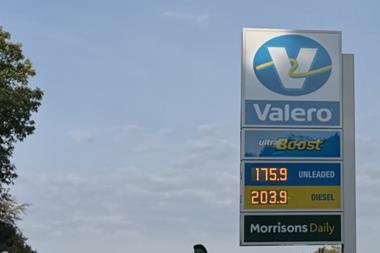
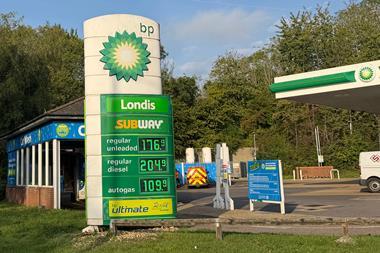
Yesterday’s fuel price data from the RAC showed that unleaded prices are tracking at 18.8% higher than when the war broke out on February 28, and diesel prices are up 31.7%.