




















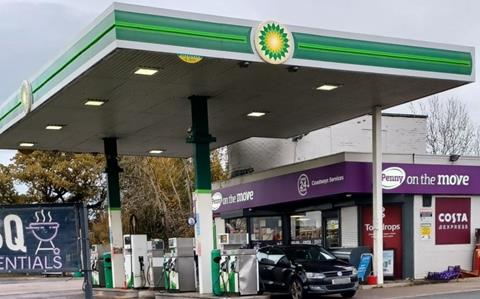
Penny Petroleum is reeling from the fourth incident of thieves siphoning diesel at its sites from an overground tank, to a vehicle parked 100s of metres away in an adjoining field.
Its Coastways Services on the A64 at Flaxton in North Yorkshire was the latest site to be targeted in the early hours of Friday, March 13, the third case in five months, and fourth in three and a half years.
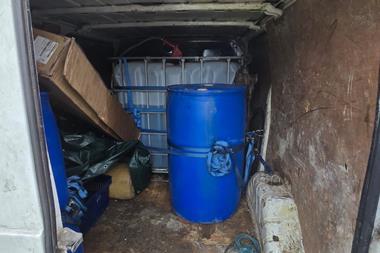
Some time between 12.30am to 3am, £16,000 worth of fuel was taken from the 24-hour forecourt, after thieves drilled into the tank and used plastic piping to transfer the fuel to an out of sight vehicle.
The next day staff found piping used during the exploits on neighbouring land 400 metres away.
Worryingly, the other two most recent replicate incidents took place in another part of the country: they were both in Cumbria, with the most recent at Crosby Moor Service Station in Carlisle, and before that at Newlands Service Station in Ulverston.
The truck used to take the fuel at Carlisle was impounded after getting stuck in the mud, and the Top 50 Indie retrieved most of the stolen fuel. However, the company lost the £13,000 of diesel taken from Ulverston.
North Yorkshire Police is warning other constabularies to be vigilant, says Penny Petroleum chief executive Vicky Hennessy. “Police were shocked with the sophistication of it. They had not seen or heard of anything like it before,” she says.
“With fuel prices going up this is just going to be happening more, and rural sites with above ground fuel tanks are at risk,” she says.
Industry data has already shown a significant increase in fuel theft incidents since prices have spiked during the Iranian conflict.
After the two incidents at Penny Petroleum sites in October last year, the business embarked on upgrading security at its sites. This included introducing a wetstock management system to highlight irregular drawdowns, which alerted the company to the most recent problem. It also upgraded CCTV at vulnerable sites.
Now it is considering installing a vibration system which will trigger an alarm if the above ground tanks are tampered with.
“We’ve spent an awful lot of money to stop drive-offs and no means of payment, but this is a relatively new problem and will only get worse,” says Hennessy.