
















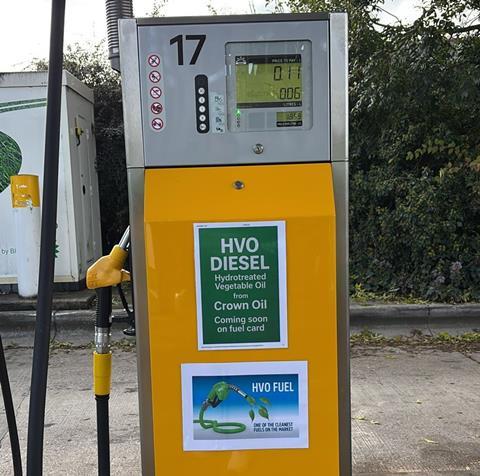
Top 50 Indie Refuel & Go has launched a petition to convince the government to reduce VAT on hydrotreated vegetable oil (HVO) to encourage sales of the greener diesel alternative.
It says that reducing the tax from 20% to 5% would “support an orderly transition to net zero in realistic timescales”, using existing petrol station infrastructure and without reliance on electric vehicles, which it says are often imported from overseas.
“At a time when the UK needs energy and fuel security, cheaper, cleaner, greener options like HVO are key tools to use in the transition to net zero and to reduce carbon emissions,” a representative from the company says.
Currently potential customers, who can drop the fuel into diesel cars, vans and trucks without any alteration to the vehicle, are deterred by its high price, according to Refuel & Go. This is despite the environmental benefits, with HVO helping to cut up to 90% of net CO2 emissions, says the nine-site operator.
The company maintains that drivers of diesel vehicles are often unaware they can run on HVO, meaning that operators like Refuel & Go that have invested in the fuel are seeing limited returns.
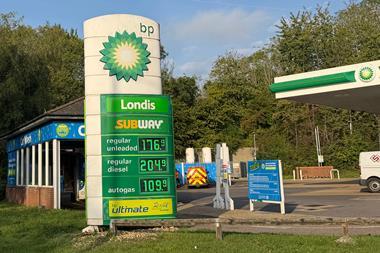
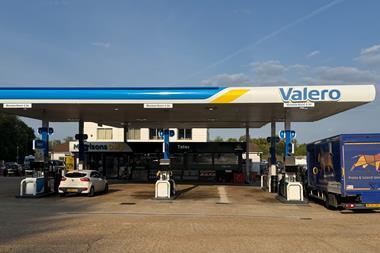
Refuel & Go, the consumer-facing brand for Sectorsure, says it has only had a “handful of sales” since investing £30,000 last autumn on installing HVO on pump at its BP/Londis Rivenhall forecourt.
This is despite the site on the A12 in Witham, Essex having a dedicated HGV canopy with three lanes selling around 10 million litres of diesel a year.
“We have been surprised by the limited HVO take-up since installation,” says the spokesperson. “The feedback from customers generally seems to be that it is too expensive compared to regular diesel, or they are unfamiliar with what it is.”
The official Parliamentary petition says that another benefit is that HVO can be made in the UK. And it adds that a reduction in VAT will bring prices into closer parity with diesel and home charging. “If home-based charging for electric vehicles is charged only 5% VAT, why should HVO be stuck at 20%?,” the petition asks.
HVO is a synthetic diesel alternative produced from waste cooking oils, animal fats, and vegetable oils.
If petitions reach 10,000 signatures the government must respond. At 100,000 signatures, petitions are considered for debate in Parliament. The deadline to sign is September 23, 2026.