
Close menu
- Home
- News
- Reports
- Fuel
- Retail
-
Shop
- Back to parent navigation item
- Shop
- Shop Suppliers
- Alcohol
- Batteries
- Breakfast
- Car Care & Lubricants
- Chilled & fresh
- Confectionery
- Food to go
- Health & Beauty
- Hot Beverages
- Ice cream & frozen
- Mint & Gum
- Sandwiches & Snacks
- Seasonal
- Soft drinks
- Tobacco & Vaping
- Focus On Features
- A to Z of all Subjects
- Equipment
- Advice
- Events
- Vision
- Newsletters









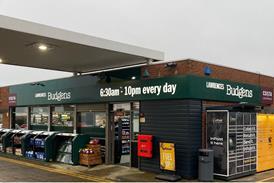







More petrol station property investments were made in the first nine months of 2025 than all of last year
By Hugo Griffiths2025-11-14T10:14:00

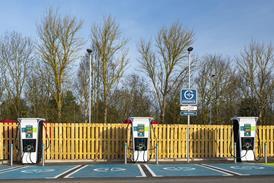
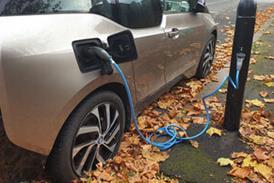
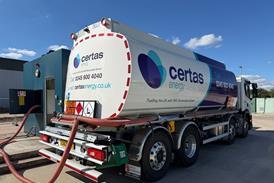
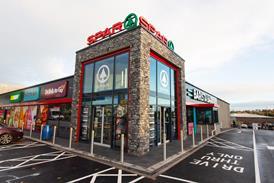
The market for filling station property purchases has ramped up this year, with more forecourts changing hands in the first three quarters of 2025 than all of last year combined.
Already registered? Please log-in here
To continue reading, register for free today
With free guest access you can:
- Read unlimited articles
- Access the Fuel Market Review
- Read the latest Top 50 Indies report
- Sign-up for our newsletter
- Related Websites:
- Forecourt Trader Awards
- Grocery Retail News
- Convenience Store
- Industry Links:
- Petrol Retailers' Association
- Fuels Industry UK
- Lumina
Site powered by Webvision Cloud