



















With legislation reshaping the category and consumer habits shifting fast, the retailers winning in vapes aren’t stocking more: they’re stocking smarter. Here’s how to build a range that delivers margin, drives repeat visits and stays the right side of the law.
Vaping is now one of the most dynamic areas in convenience retail — and one of the most complex to manage well. The question is no longer whether to stock vapes. It’s how to range them properly, protect margin and stay on the right side of an evolving regulatory landscape.
Know your segments
The first thing to understand is that vaping is no longer a single category. It has fragmented into distinct consumer missions, and a well-structured fixture needs to reflect all of them.
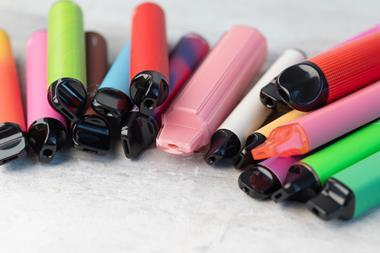
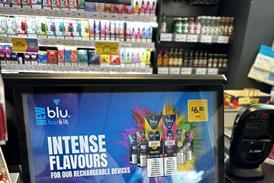
Three segments form the core of any credible range. Entry-level disposables remain important for new users and impulse purchases. Rechargeable and pod-based systems are growing as more experienced users look for better long-term value. And consumables — pods, coils, e-liquids — are where repeat visits and the strongest margins are built.
Stores that rely too heavily on a handful of bestselling disposables may hold sales in the short term, but they’re exposed. Regulatory changes, availability issues or a shift in consumer preference can disrupt revenue quickly. A broader, more structured range is both more resilient and more profitable.
Flavour sells — but less is more
Flavour is arguably the most important driver of vape sales, and the range has moved well beyond tobacco and menthol. Fruit and hybrid flavours now account for the bulk of growth, and retailers need to reflect that — without overcomplicating the offer.
The most effective approach is disciplined: stock proven bestsellers, add a small number of new or trending lines, and resist the temptation to fill the fixture. Duplication doesn’t drive incremental sales — it ties up cash and makes the buying decision harder for shoppers.
Price architecture and the value signal
Shoppers expect visible value in this category. Price-marked packs and a clear good-better-best structure help guide decisions and build trust — particularly with new or occasional users who are still finding their way around the category.
This is where wholesale support becomes material. Retailers working with a wholesaler that offers consistent promotional investment, clear price architecture and a reliable supply chain are better placed to compete than those navigating a fragmented buying approach. Parfetts’ Shop & Go model, for example, combines strong promotional activity with a simple 2% rebate structure and free delivery — providing predictable margin support in a category where pricing can fluctuate sharply.

Compliance is not optional
Age verification, product standards and evolving legislation create real operational pressure for independent retailers. Inadvertently stocking non-compliant products is a genuine risk — and one that increases as the market grows and enforcement tightens.
Buying from a trusted wholesaler with a curated, compliant range reduces that risk significantly. It also provides a degree of future-proofing as regulations develop. For independent operators without dedicated compliance resource, that reassurance has real practical value.
Fixture discipline and layout
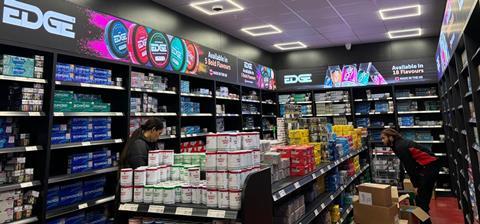
Vapes are a high-value category, but they shouldn’t dominate the counter at the expense of other impulse lines. A well-organised, clearly segmented fixture behind the till works best — visible, but not overwhelming.
Simplicity is the goal. Shoppers want to make quick decisions. A wall of similar-looking products in competing colourways doesn’t aid that. Clear segmentation by type, with signposting that makes the range easy to navigate, consistently outperforms a fuller but less ordered display.
Planograms backed by category data take the guesswork out of this. Retailers using the Shop & Go fascia benefit from structured ranging guidance that helps avoid the common pitfalls — overstocking slow-moving lines, missing key SKUs, or falling foul of display compliance requirements.
Think beyond the fixture
Vaping doesn’t sit in isolation. There is obvious crossover with tobacco, but also with food-to-go and evening missions. Stores that connect their vape range to these broader shopper journeys — whether through physical placement or targeted promotions — tend to see stronger category performance overall.
It’s worth thinking about the vape fixture not as a standalone unit, but as one part of a broader impulse offer that works together.
The shift away from disposables
The direction of travel in vaping is clear. Regulatory pressure is driving the market away from single-use products, and retailers with a credible range of rechargeable devices and refill options will be significantly better positioned as that shift accelerates.
This isn’t a future consideration — it’s already happening. Retailers who adapt early, building ranging and ranging discipline around longer-term solutions, will benefit from both the transitional period and what comes after.
The role of hands-on support
In a category this fast-moving, good data and good product are necessary but not sufficient. Retailers also need practical, in-store guidance to make the most of both.
Parfetts’ growing network of Retail Development Advisers provides exactly that — direct, actionable support on range reviews, fixture layout and category performance. For independent operators without the resource of a large multiple, that kind of hands-on partnership can be the difference between a category that ticks over and one that genuinely performs.
The bottom line
Success in vaping comes down to discipline: the right segments, a tight range, clear value, and consistent compliance. Retailers who take that approach will grow sales and build a category that is sustainable over time. For those reviewing their range, the priority is straightforward — work with a supply partner that offers consistency, practical support and a model built around retailer success.
To find out more about Parfetts, see the video below: