
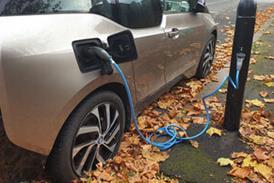


















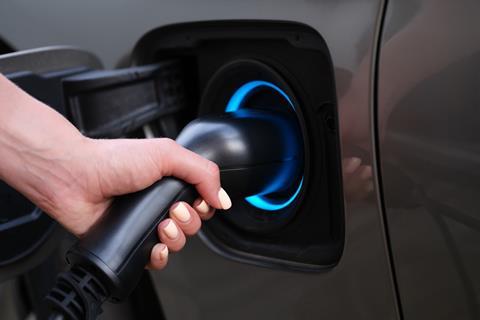
Uber and C40 Cities have agreed to an international partnership to help cities – including London – significantly boost access to charging infrastructure.
The C40 programme will work across three cities – London, Boston and Phoenix – to facilitate the uptake of EVs by high-mileage drivers. It is projected to benefit over 55,000 Uber drivers who currently lack access to affordable and convenient charging.
Uber has surveyed drivers on their willingness to switch to an EV. since 2021. For the first time since the surveys began, access to charging has become the top issue preventing drivers in the US and UK from going electric, ahead of the cost of EVs.
A new deal with Vmoto will aim to help thousands of couriers access discounted e-mopeds across Europe. Uber and Vmoto will also collaborate on London’s first battery-swap pilot for electric mopeds in London in Q3 2025. This will allow couriers to quickly exchange depleted batteries for fully charged ones at dedicated swap stations, extending vehicle range without the downtime or infrastructure challenges of home charging.
Uber is also launching the Electric Vehicle Infrastructure Estimator (EVIE) tool, giving cities access to projected future demand for EV charging from Uber drivers. The EVIE tool will support infrastructure planning in cities, helping identify ‘charging deserts’ where installations are most needed.
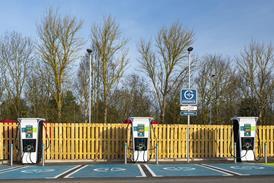
Across the 40 cities where EVIE is already available, Uber analysis shows that they need more than 10,000 public fast-chargers and 270,000 home chargers to meet the demand from Uber drivers going electric. A majority of these chargers will need to be installed in areas where EV infrastructure has been historically lacking, including higher density urban areas, airports, and areas designated as economic opportunity zones. Areas of high demand include neighbourhoods like Hounslow and Wembley in London,.
The news follows Uber’s £5m investment in charging infrastructure across three London boroughs with large populations of ride-share drivers. The latest utilisation data from these chargers in Newham shows usage over double the national average – demonstrating the benefit of building EV chargers in previously underserved locations.