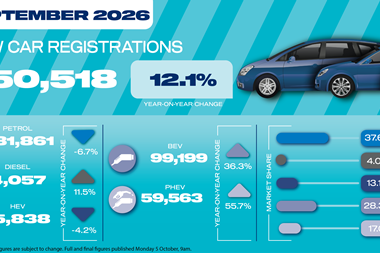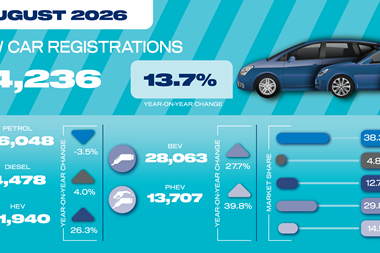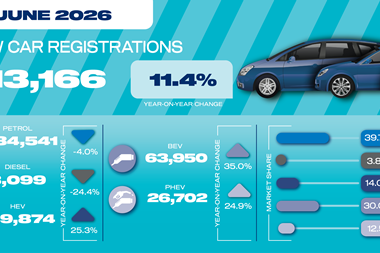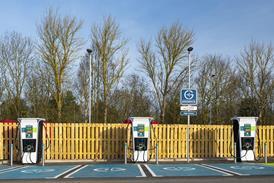

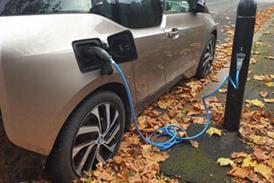













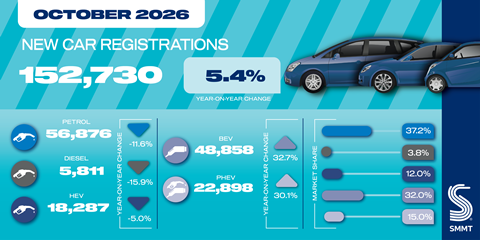
After many years and many billions of pounds of incentives, battery powered cars came within a whisker of meeting the government’s 33% market share mandate last month, with the 48,858 that found homes in October representing 32% of new-car registrations.
The Society of Motor Manufacturers and Traders, which compiled the figures, says EV registrations climbed 32.7% compared to October 2025, with this being the result of car makers’ “intensified efforts to bring registrations to the annual mandated target”.
Billions have been spent to encourage Brits to buy electric cars. The government has given away roughly £3.5bn of taxpayer cash via grants, while the Treasury has forgone between £5bn and £10bn in tax receipts due to the almost non-existent rates applied to company, fleet, and business EVs.
Manufacturers, meanwhile, have applied discounts of at least £10bn in the last two years alone as they seek to avoid government fines of £12,000 per non-EV sold over quota.
Industry insiders, meanwhile, hint that registration figures may not paint a true picture of EV demand, with dealers regularly registering electric cars to themselves to help manufacturers get closer to government targets, with such cars then being sold as heavily discounted nearly-new models to customers such as leasing firms.
Away from such details, year-to-date EV registrations stand at just 26.6%, well off the proportion demanded for 2026 by the Department for Energy Security and Net Zero and the Department for Transport. Next year that mandated sales percentage rises to 38% before climbing to 52% in 2028 – though these figures are currently under review.
Mike Hawes, SMMT chief executive, says that EV sales have come “at enormous cost”, with industry and government “spending billions to help drivers switch”, a trend that “cannot be sustained indefinitely”.
Hawes adds that the ongoing review of ZEV (zero-emission vehicle) targets “must deliver substantive reform effective immediately”.