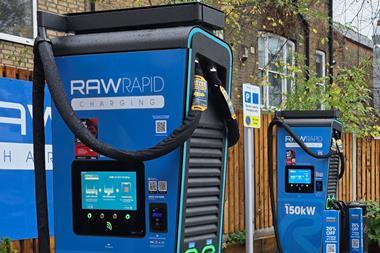


















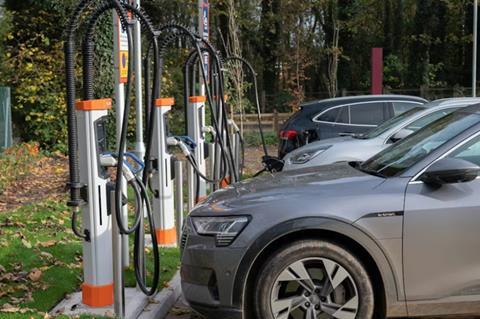
Drivers of electric cars may have thought themselves immune to the price shocks flowing through petrol pumps, but changes to network rules are set to increase the cost of public charging, too.
Charge UK, which represents public chargepoint operators, has said that a 2022 change, implemented in 2023, to how Ofgem calculates ‘network charges’ – which cover grid maintenance and expansion – have seen the cost of doing business skyrocket for providers of public points as the energy regulator looks to fund an overhaul of the UK’s network.
The Telegraph reports that a Wolverhampton hub operated by Osprey Charging has seen its annual network rates rise from £87 in 2022 to £33,651 today, a 38,579% increase, while Fastned is paying £41,000 a year to run a hub in South Lanarkshire. Rival firm Be.EV, meanwhile, told the paper it is reconsidering plans to open a new hub in Yorkshire due to network charges of £30,000 a year.
On average, Charge UK said network rates has risen by 462% over the past three years, with these costs largely passed on to drivers. Chargepoint operators also absorb some of the increases, though, an arrangement many firms consider unsustainable.
Vicky Read, chief executive of Charge UK, told the Telegraph: “We understand that grid operators need to raise revenue to invest in essential upgrades and maintenance.
“But the changes to standing charges have unfairly singled out the charging industry, penalising enterprising, pre-profit businesses for the crime of building ahead of demand – exactly what the Government needs them to do for the mandated EV sales quotas to be met.”
A government spokesman said: “Decades of historic underinvestment means our outdated electricity infrastructure is in need of upgrading. We are tackling this with a programme of investment, reform and sweeping change to the grid connections process.
“We are also reviewing the cost of public EV charging and at the impacts of energy prices and looking at how we can lower these costs for consumers.”