













BP has appointed a new chairman after its former head, Helge Lund, announced in April that he would step down from the role.
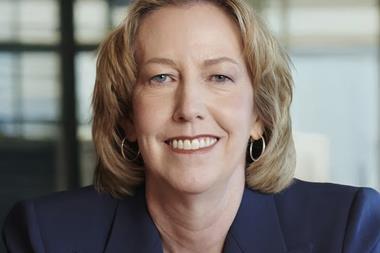
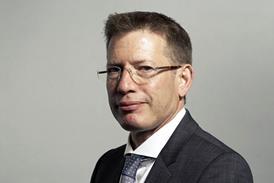
Albert Manifold, who previously headed CRH, a multi-billion-pound Dublin-based firm producing construction materials such as cement, concrete and asphalt, will become BP’s new chairman on 1 October. He is said to have ”strategically reshaped” CRH’s portfolio and ”delivered superior growth and performance” to that firm, according to BP.
Manifold will stay on CRH’s board as a special advisor, and will also remain an advisor to Clayton Dubilier & Rice, the US private equity firm that majority owns MFG, the UK’s largest independent forecourt operator.
The appointment follows years of turmoil for BP. Back in 2020 the company pledged to cut oil and gas production by 40% within a decade, though in 2023 it walked back that commitment to 25% a year later before reportedly abandoning it altogether last year.
In early April 2025 BP’s board of directors began the succession process for Lund, who had led the oil major for seven years. Just two weeks later, BP’s annual general meeting saw almost a quarter of shareholders vote against Lund’s reappointment.
This marked the first time in over a decade that more than 10% of investors had not supported a chair’s re-election. The vote was seen partly as an indication shareholders were dissatisfied with BP’s previous focus on low-carbon energy, though it came around seven months after the resignation of former chief executive Bernard Looney, who both spearheaded BP’s focus on reducing oil and gas production, and left the company after he failed to disclose previous relationships with colleagues.
In March this year BP’s chief executive, Murray Auchincloss, admitted the company’s faith in a “fast” transition to green energy has been “misplaced”, and that the firm had gone “too far, too fast” in this direction.
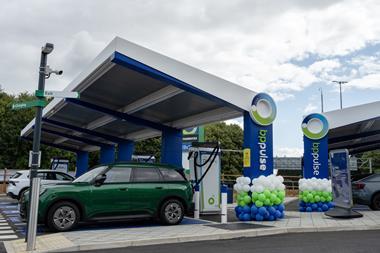
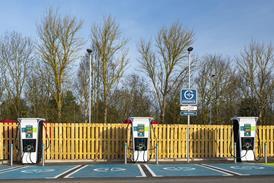
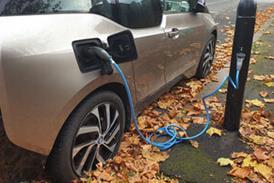
Auchincloss confirmed BP had “fundamentally reset” its strategy, that “far less of our investment will now go into building new low carbon energy assets”, and that the firm would reallocate its spending to focus on the “highest-returning” areas of the business. He added, though, that BP would create “even more value” in areas such as “fast EV charging across the UK”, and that it will continue to “help decarbonise” the country.
BP’s share price began the year at £4.03, but had fallen to £3.32 by mid-April, a drop of around 17% – though at the time of writing it was trading at around £4.01.
Manifold called his appointment “an honour”, and said BP is “one of the world’s great energy companies”.