









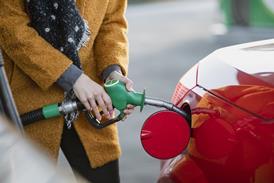





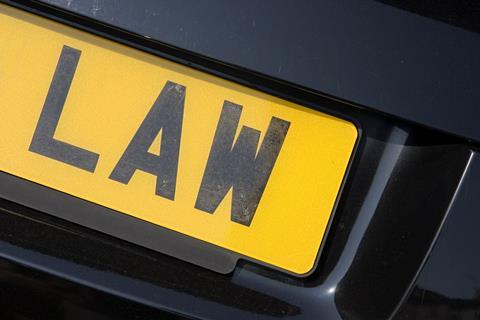
There has been a 41% increase in reports of number plates being cloned over the last five years, with the crime known to be undertaken by people who steal fuel from petrol stations.
In 2020 a total of 7,377 people told the Driver and Vehicle Licensing Agency (DVLA) that they had fallen victim to criminals copying their vehicles’ number plates.
That figure rose to 10,461 in 2024, while the 3,501 people who reported the crime in the first quarter of 2025 indicate 14,004 cloned vehicles will be reported to DVLA this year.
Echoing concerns from forecourt retailers that police rarely take action over fuel theft, cloned number plates also seldom prompt investigation. From 2020 to 2024, just 496 investigations into cloned plates were undertaken by DVLA, an average of just 1.15% of reported incidents. The data comes from personalised-number-plate firm Yellowhite, which submitted a freedom of information request to the organisation.
Cloning a number plate typically involves a criminal copying the registration of a car of the same make, model and colour as theirs, either after spotting such a vehicle on the road or seeing one advertised for sale online. Victims often only become aware their car has been cloned when they begin receiving parking, speeding and other charges they could not have attracted.
While incidents of car cloning have increased over recent years, criminals are also fitting vehicles with ‘ghost’ number plates, which contain infrared-blocking additives that stop registrations being read by ANPR cameras.