









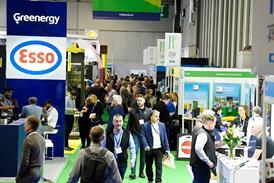

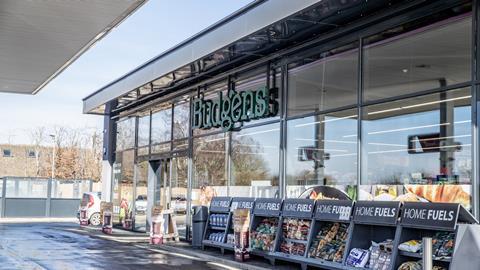

As forecourt navigate cost pressures and shifting shopper missions, the convenience fascia has evolved from brand identity to complete retail ecosystem. With over 2,500 Londis stores and 450 Budgens sites serving the channel, both symbol groups are investing in food-to-go, digital ordering and operational support. How do they deliver sustainable growth in a cautious market?
In the dynamic world of forecourt retail, brand partnerships can be the difference between surviving and thriving. However, the operating environment is becoming increasingly complex, with cost pressures, regulatory change and softening footfall creating real challenges for operators.
Retailers are increasingly seeking more than just a fascia – they’re looking for value, flexibility, operational support and genuine customer pull. Budgens and Londis, both part of Booker, the UK’s largest food and drink wholesaler, offer a proposition built around long-term growth and retailer support – though success depends heavily on location, existing infrastructure and operator commitment.
From zero-cost entry models to EV charging partnerships and exclusive own-brand ranges including Jack’s, these fascias aim to help forecourt operators unlock new revenue streams while staying ahead of evolving shopper expectations. This shift comes at a time when the role of the convenience store within forecourts is becoming increasingly critical, with 93% of operators identifying it as essential to overall site success, according to Lumina Intelligence’s 2026 Forecourt Report.
With continued investment in digital innovation, including Booker’s rapid grocery ordering platform Scoot, alongside expanded fresh and frozen ranges and strategic brand partnerships, both Budgens and Londis are positioning themselves as solutions for forecourts looking to become multi-service retail destinations.
Format flexibility meets forecourt growth
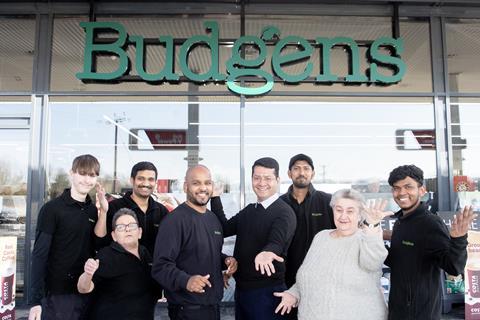
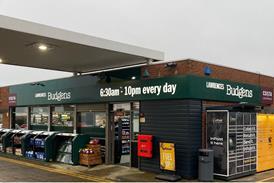
Budgens continues to build momentum across the UK, now operating more than 450 stores, with a growing proportion located on forecourts. Its flexible store model – typically ranging from 1,500 to 5,000 sq ft – makes it suited to a wide variety of forecourt formats, from compact roadside sites to larger, destination-style locations.
A defining feature of all Booker’s symbol group models is its zero-cost entry structure, with no joining or weekly fees. This lowers the barrier to entry for independent forecourt operators, enabling them to invest more into store development, food-to-go and customer experience. Backed by Booker’s scale and supply chain, Budgens retailers benefit from national buying power while retaining the flexibility to tailor their offer to local communities.
However, operators considering a switch should factor in potential refit costs, stock changeover and the time required to bed in new systems – areas where some retailers report initial challenges, particularly on smaller sites.
Expansion remains a key priority for Budgens, particularly within the forecourt channel and underserved locations, where there is evidence of evolving shopper missions. Lumina Intelligence data shows growth in both impulse food-to-go and planned top-up missions, with the latter driving larger baskets, particularly among family shoppers seeking fresh and chilled options.
Meanwhile, Londis remains the UK’s largest forecourt convenience partner, with over 2,500 stores nationwide, more than half of which operate on forecourts. The symbol group continues to attract retailer interest, having added around 190 new stores over the past year, with a significant proportion converting from competitor groups including Nisa, Spar and Costcutter.
Forecourts sit firmly at the heart of Londis’ growth strategy, supported by ongoing investment in store formats, services and retailer support programmes. Both Budgens and Londis benefit from the ‘Fit for the Future’ programme, which provides retailers with tailored, data-led guidance on store layout, merchandising, compliance and performance optimisation – designed to drive cash profit and improve operational efficiency.
Value, convenience and the power of exclusivity
Value remains a critical priority for forecourt shoppers, particularly in the context of ongoing cost-of-living pressures. This is reinforced by wider market trends, with consumers increasingly relying on supermarkets for value – placing pressure on forecourt retailers to compete more effectively on price and perception. Both Budgens and Londis have responded by strengthening their value propositions through consistent, long-term pricing strategies.
Initiatives such as Everyday Low Pricing (EDLP), Mega Deals and Fresh 4 aim to ensure year-round value visibility, though retailer uptake and execution vary significantly by site.
Retailers also benefit from early access to promotional lines through quarterly pre-sell events, enabling them to stay ahead of local competition. In addition, continued investment in own-brand ranges, including Jack’s and Euro Shopper, allows stores to offer strong value tiers while protecting margins.
Budgens, in particular, has sharpened its positioning around fresh and quality-led convenience. With over 2,000 fresh and chilled lines available, the brand is increasingly recognised for delivering value without compromising on quality – a key differentiator within the forecourt environment where fresh ranging has traditionally lagged behind high street convenience stores.
Food-to-go, partnerships and digital evolution
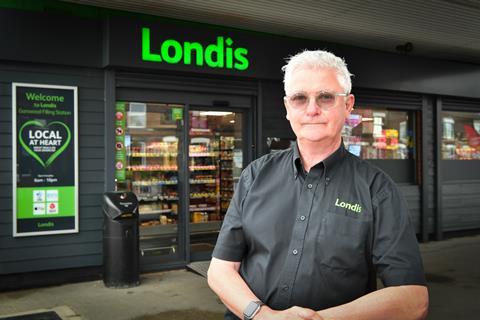
Forecourts are increasingly becoming food-to-go destinations, and both Budgens and Londis are capitalising on this shift. Lumina Intelligence identifies food-to-go as a primary engine of growth in the forecourt channel, with quality hot food, coffee and branded concessions driving impulse spend.
Across the estate, over 65% of stores now offer a hot drinks and food-to-go solution, alongside a growing range of complementary offers including hot food counters, bakery, meal deals, cold drink solutions and milkshake stations. These are designed to capture multiple shopper missions throughout the day, from breakfast through to evening meals. In particular, ‘meal for tonight’ missions are growing, with younger, time-poor shoppers turning to forecourts for convenient evening solutions.
Londis’ Treat Stop concept brings theatre to the forecourt environment, combining cold drinks, coffee, freshly baked goods and hot food options such as Rollover Hotdogs and pizza, all supported by impactful in-store branding.
Similarly, Budgens’ Good-to-Go zones are designed to maximise impulse purchases, offering a strong mix of hot and cold drinks, fresh bakery and meal solutions. The addition of the Cooks Range further strengthens its “food-for-later” proposition, providing convenient, high-quality take-home meals for customers looking beyond immediate consumption.
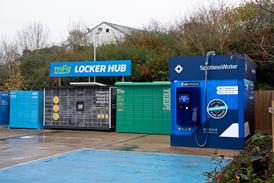
Digital innovation is also playing a growing role. The rollout of Scoot, Booker’s rapid grocery ordering platform, is enabling both Budgens and Londis retailers to tap into demand for on-demand convenience.
However, a dedicated forecourt rollout strategy is still being developed, with early learnings suggesting that success is highly dependent on location type. As a result, the focus remains on working with select retailers across all Booker’s symbol groups to build sustainable sales, rather than a one-size-fits-all approach.
This reflects a broader industry trend, where digital and delivery solutions are complementary to – rather than a substitute for – strong in-store execution.
For forecourt operators, this represents a potential opportunity to extend their reach beyond the physical store and generate incremental sales – though margins on delivery remain tight and customer acquisition costs can be high.
Operational excellence and retailer support
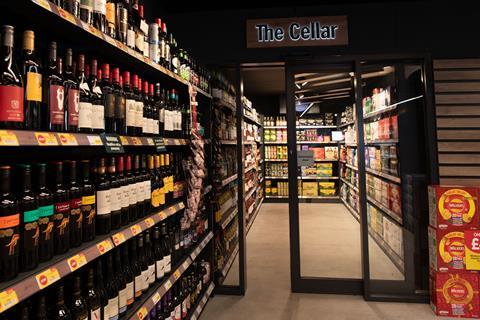
A strength of both Budgens and Londis lies in the depth of operational support available to retailers. Beyond product supply, retailers benefit from comprehensive services including store design, merchandising guidance, marketing support and category management.
Budgens’ ‘Fit for the Future’ programme continues to deliver measurable results, with retailers achieving margin improvements of between 1.5% and 2.5%, alongside enhanced compliance and store standards. Londis’ ‘Make More, Save More’ initiative similarly identifies potential profit opportunities, focusing on efficiency, waste reduction and margin optimisation.
Technology is also central to improving store performance. Retailers have access to Epos systems and security partnerships with providers such as Veesion, Facewatch and Reliance Protect - helping to reduce shrinkage, improve safety and streamline operations.
With access to Booker’s extensive distribution network and six-day multi-temperature deliveries, both fascias ensure high availability and operational reliability - a critical factor for forecourt retailers operating in fast-paced environments.
Sustainability and the road ahead
Sustainability is an increasingly important consideration for forecourt operators, and both Budgens and Londis are supporting retailers with practical, cost-effective solutions.
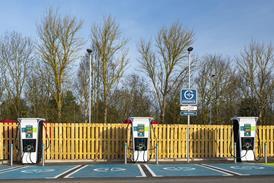
Energy-efficient upgrades, including LED lighting and refrigeration improvements, are being rolled out across stores, alongside EV charging partnerships that align with the future of mobility.
With more electric vehicles on the road, the role of the forecourt store is expected to become even more central to the overall business model. With longer dwell times associated with EV charging, there is an opportunity for retailers to drive in-store spend through strong food-to-go, fresh and convenience offers. Booker continues to work closely with forecourt retailers to evolve their store propositions in line with these changing missions, supporting sites in preparing for a lower-fuel, higher-retail future.
Waste reduction initiatives, including partnerships with FareShare and Too Good To Go, are helping retailers minimise surplus while supporting local communities.
Additional services such as free cardboard and polythene recycling further contribute to cost savings and environmental performance.
Redefining what success looks like in forecourt retail
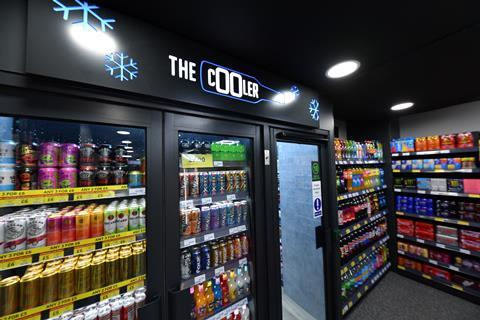
As the forecourt sector continues to evolve, operators are facing a complex mix of challenges, from rising costs and regulatory changes to increased competition and shifting consumer behaviour. With many operators expressing caution about the year ahead, the focus is increasingly on driving basket spend, maximising existing footfall and building resilience through diversified income streams.
In this environment, the role of the fascia has fundamentally changed. It is no longer just about brand identity - it is about delivering a complete retail ecosystem that supports growth, efficiency and long-term sustainability.
Budgens and Londis, backed by Booker’s scale, expertise and continued investment, offer tools and support designed to help forecourt retailers meet these challenges. Through a combination of value, innovation, operational support and strategic partnerships, both brands are working with retailers to remain competitive in a rapidly changing market – though success ultimately depends on individual operator commitment, site suitability and local market conditions.
From food-to-go and digital convenience to sustainability and store innovation, the forecourt sector is evolving beyond fuel - and symbol groups like Budgens and Londis are among the fascias helping operators navigate that transition.
To find out more about how Budgens and Londis can help forecourt operators, please visit: https://www.booker.co.uk/en/Sectors/convenience-retailing