
















It is an ever-evolving category that constantly embraces new flavours, formats, and TikTok fads, yet is anchored by nostalgia, tradition, and trusted brands. Keeping abreast of the latest in sugar confectionery is vital for any forecourt operator, for whom the segment is a vital ingredient in the retail mix.
And while confectionery by its very nature will always be about fun and indulgence, healthier eating concerns are having an impact. There is a growing focus on developing products that comply with high in fat, sugar and salt (HFSS) regulations, but retain the appeal of their restricted counterparts.
Other trends include a rise in popularity of sharing packs, from the mixed selection platters created by teenagers on gaming nights to late-night fuel for families and friends enjoying this summer’s feast of football on TV. The FIFA World Cup may only have a few weeks to run but remains a huge opportunity for the industry.
As for other market drivers, shoppers want products that “combine nostalgia, fun and a more premium eating experience at an accessible price point”, suggests Phil Hulme, commercial director at soft candy brand Bebeto. “Texture, innovation, bold flavours and visually impactful sweets are helping to drive impulse purchases, particularly among younger consumers.”
Shoppers are “increasingly looking for bolder, more adventurous tastes, from sour and tropical flavours to viral formats such as freeze-dried sweets”, asserts Susan Nash, Mondelēz International’s trade communications manager. “The category works hardest when shoppers can quickly find trusted favourites while also spotting something new, colourful and exciting.”
According to Rebecca Robert, marketing director at Storck, which is behind brands such as Werther’s Originals, Toffifee and Bendicks, customers are “actively seeking out affordable small treats that deliver moments of comfort and enjoyment”, despite cost of living pressures, with loyalty to “well-known and trusted brands” a significant factor.
Meanwhile, for Duncan Tyrrell, head of category at Haribo, sugar confectionery is “an essential segment for retailers” that “appeals to a wide variety of consumers and occasions”. It is, he says, “a high-frequency purchase, serving as an accessible mood booster, pick-me-up, and reward”.
With all of this in mind, here are seven things to know about sugar confectionery:
3) Crunch time: is freeze-dried hype over?
1) New sensations
One thing is certain: there will always be something that has not been done before in sugar confectionery. Novelty – from unusual formats to different textures – is behind the success of many breakthrough products, including the various freeze-dried ranges that appeared in the wake of a social media craze (of which more below).
Nash at Mondelēz cites research that indicates more than half of 16-34-year-olds seek exotic fruit flavours in the candy market, creating an opportunity for retailers to broaden their range beyond “traditional fruit gums and jellies”. The group’s Sour Patch Kids brand is one of the fastest-growing in confectionery and “bringing strong energy to the fixture”, she says.
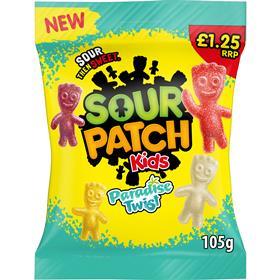
Nash cites Maynards Bassetts Tropical Fruit Mix – which comes in pineapple, mango, peach, and passion fruit flavours – together with two new Sour Patch Kids releases – Paradise Twist and Peach – on top of 2025’s Blue Raspberry as examples of the “role that bold, flavour-led innovation can play in bringing new energy to an established brand”.
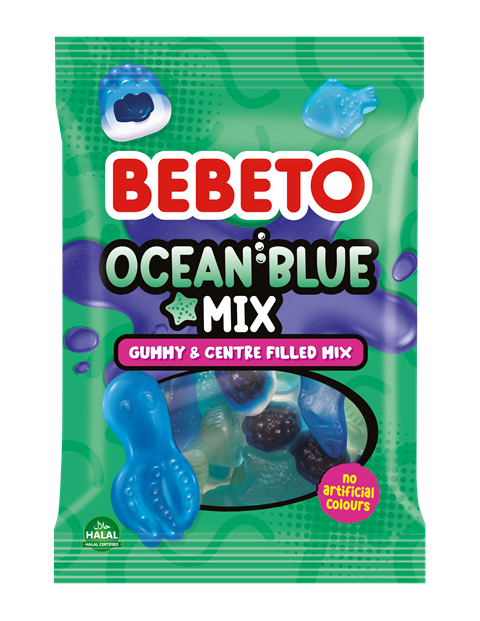
Bebeto will launch in July Ocean Blue Mix, sea-life-shaped gummies and foam-backed, centre-filled sweets. “Convenience shoppers are looking for confectionery that offers more than just flavour,” says Hulme. “Products that combine texture, bold flavours, and playful formats are performing strongly because they deliver a more premium and engaging experience while remaining affordable.”
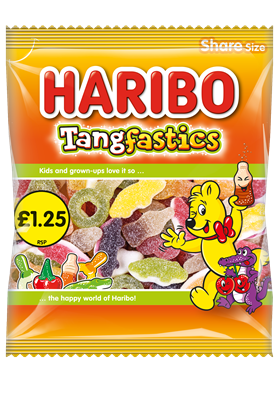
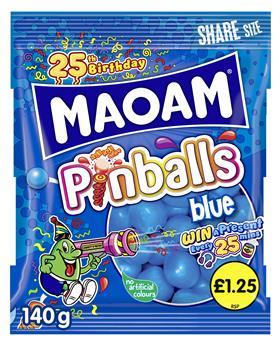
Haribo’s Tyrrell says consumers are “increasingly drawn to more extreme, non-traditional flavour profiles, and novelty formats are actively pulling new audiences into confectionery”. The “tang and zing” segment that Haribo plays in is a major growth area for symbols and independents with the flavour profile “driving category excitement”, he says.
He singles out Haribo lines such as Tangfastics, Bubblegum Bottles Zing and Maoam Pinballs Blue as “delivering the bold, unexpected flavour hits that consumers are seeking out” and an “opportunity to attract trend-led shoppers who might not otherwise make confectionery a habitual purchase”.
2) Foreign influence
The proliferation of American candy shops on UK high streets including London’s Oxford Street has not necessarily been welcomed by local authorities. However, the phenomenon of once unfamiliar, imported brands – their popularity driven by social media – has made itself felt in the forecourt and convenience sector too.
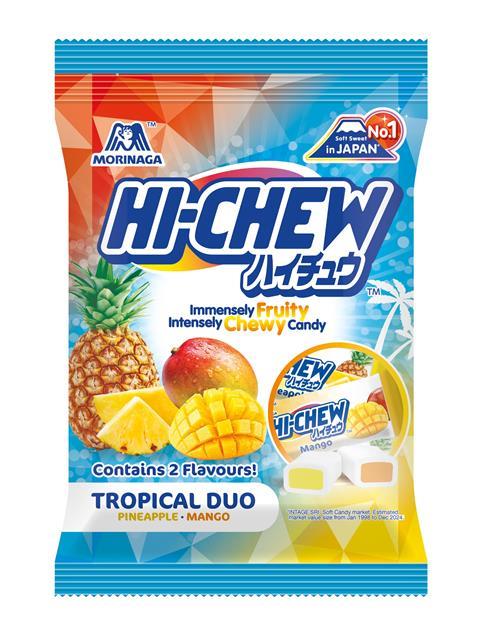
One of the biggest trends to shape the market is internationally-inspired confectionery, argues Vic Azam, head of confectionery sales at importer and distributor May and Raeburn. He cites Japanese chewy candy brand Hi-Chew – which comes in 100g and 80g formats – as an example of how that country’s confectionery “is resonating strongly with younger consumers through the influence of anime, gaming, and broader Asian food culture”.
Glasgow-based RaceTrack Pitstop is one forecourt chain that has gone fully onboard with the fashion for American candy, with entire sections of shelving devoted to brands including Reese’s, Hershey’s, Jolly Rancher, and Twizzlers, establishing a reputation in the region as a destination outlet for such products.
3) Crunch time: is freeze-dried hype over?
Bebeto claims to have been the first major brand to launch freeze-dried products into UK retail after the craze took off during the pandemic via social media influencers on YouTube and TikTok. Initially, it involved transforming established products using home freeze driers, before US manufacturers began offering their own factory-made lines.
The process involves placing a sweet through a process that chills and then heats the product, absorbing its moisture and turning it into a brittle, crunchy snack while retaining or enhancing its flavour. Bebeto introduced its Freeze Crunchy range of gummies and marshmallows in 2024, and says the spin-off has enjoyed “huge growth”.
While it saw an 18% uplift in freeze-dried sales in the year to April 30, Bebeto suggests shoppers may be moving on. “As with all trends and viral sensations, we are sensing consumers are looking for the next exciting thing in confectionery, which is why our focus has shifted to other areas where we can bring new and exciting textures and flavours that offer a premium experience at affordable prices,” says Hulme.
4) Nostalgia and newstalgia
Innovation and novelty might be important in sugar confectionery, but so too is sentimentality and the appeal of the past – often from adults harkening back to the lost pleasures of their youth. “The opportunity for retailers lies in balancing innovation with familiarity, combining modern trends with trusted, well-loved products,” says Lauren George, external communications manager with Mars Wrigley.
This has led to “newstalgia”, which Tyrrell at Haribo describes as “where shoppers want the joy and familiarity of the sweets they grew up with, but reimagined to deliver something new and interesting, with classic formats refreshed through flavour innovation, texture experimentation and playful limited editions”.
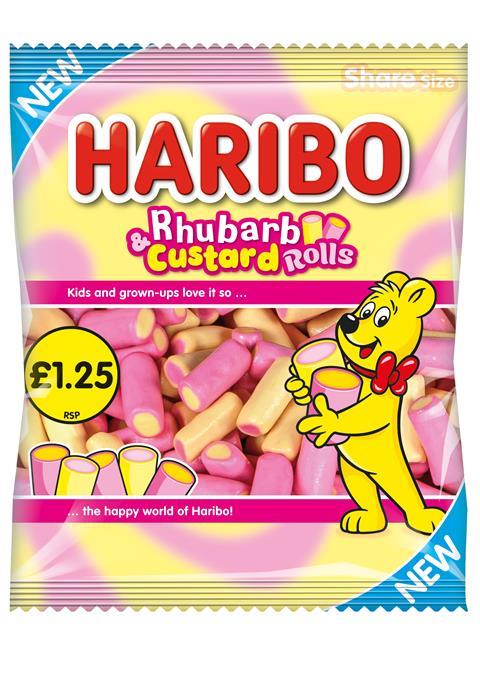
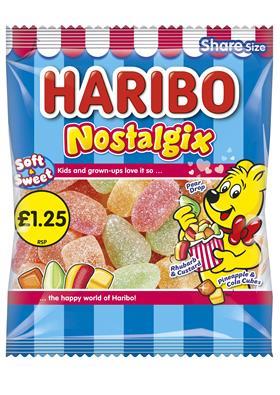
He cites the success of the 2025 launch of Haribo Nostalgix – a range of “sweet shop classics” such as rhubarb & custard, cola cubes, pear drops, and pineapple cubes – which the supplier has followed up this year with rhubarb & custard rolls, which it says appeals to “consumers’ love of nostalgic flavours”.
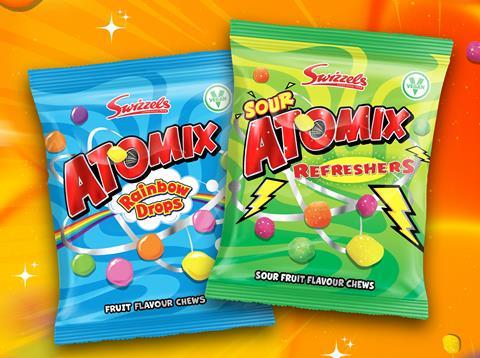
Another manufacturer to play the nostalgia card is Swizzels, with its new £1 price-marked confectionery range Atomix which re-imagines two Swizzels favourites Refresher chew bars and Rainbow Drops. Trade & shopper marketing manager Clare Newton describes the launch as “bringing together the nostalgia shoppers love with a bold, modern format that feels fresh and fun”.
The family-owned confectionery business says the launch of Atomix Rainbow Drops and Atomix Refreshers Sour builds on its success in “reinventing well-known favourites for today’s shoppers”. Its products include 1970s sweet-shop stalwarts such as Drumstick Lollies and Love Hearts.
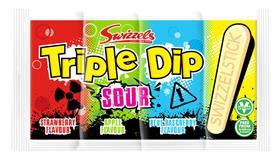
It has also recently launched a Triple Dip “a sour twist on a nostalgic product” celebrating the 50th anniversary of the original cherry and orange Double Dip, while tapping into the sour trend.
5) Health matters
The high-profile positioning of sugar confectionery to drive impulse purchases in stores falls foul of HFSS regulations. Some manufacturers have responded by offering HFSS-compliant ranges – as well as targeting other demographics that might otherwise have avoided the category with the likes of vegan or Halal options.
“While sugar confectionery remains an indulgent category, shoppers are looking for ranges that reflect a broader set of needs,” says Nash at Mondelēz. “Retailers do not need to lose the fun of the category to meet these needs; the strongest opportunities are products that combine permissibility with bold flavours and strong brand recognition.”
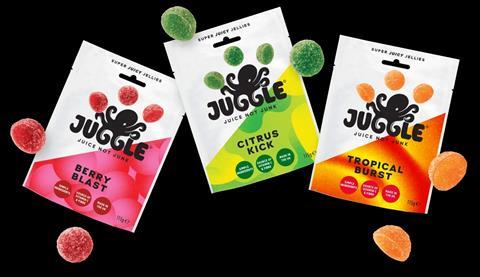
Juggle Super Juicy Jellies, made from fruit juice and a source of fibre and vitamin C, is a new contender for vegans, which has the aim to take “food out of the science lab and put it back in the kitchen”. The three variants – Berry Blast, Tropical Fruit and Citrus Kick – will be available from Suma Wholesale from July.
Bebeto says it is entering the non-HFSS (N-HFSS) category with the launch of what it says are the market’s “first centre-filled N-HFSS products” based on its Gummy Goozy range. It insists Blue Bursts, a foam-backed, cupcake-shaped gummy with blue raspberry filling and gummy shell, does not – unlike other N-HFSS options – “compromise on texture, taste, and overall eating experience”.
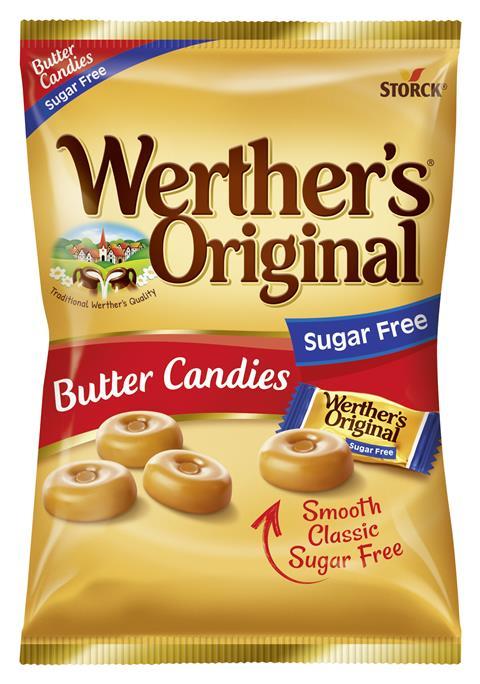
Storck says its three-variety Werther’s Original sugar-free, N-HFSS option has the “signature taste” of its legacy stablemate, but with no added sugar and can be merchandised anywhere in store, “perfect for helping retailers drive impulse sales during key occasions”.
According to Mars Wrigley’s George, the line between indulgence and health is “blurring and being replaced by permissible indulgence” characterised by “products that deliver genuine pleasure without the guilt traditionally associated with confectionery”.
She adds: “Today’s self-treating consumer wants the sensory satisfaction and mood-lifting benefits that confectionery provides, but they’re unwilling to compromise their health ambitions or values to get it. Products with free-from credentials, whether that’s palm-oil, artificial colours or added sugar, are enjoyed as healthier choices, even when they remain firmly in the indulgent category.”
6) Shares are going up
According to Bebeto’s Hulme, one of the biggest trends in the category is the rise of DIY pick ‘n’ mix style sweet platters, driven, once again, by TikTok influencers. “Consumers are creating their own confectionery boards and snack platters at home for gaming sessions, movie nights and sporting events, mixing a variety of sweets to create a more exciting and interactive snacking experience,” he says.
This drives demand for sharing bags of products “that offer layered textures and flavour combinations, allowing shoppers to build mixes that combine soft gummies, foam sweets, centre-filled products and sour or fruity flavours in one sharing occasion”, he says. “Bright colours, playful shapes and contrasting textures create visually engaging platters that perform well on social media.”
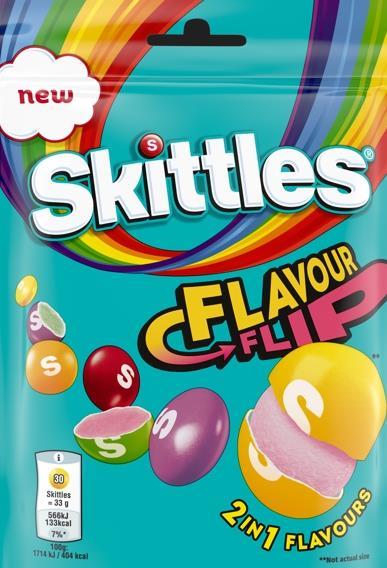
Mars Wrigley is tapping into the sharing fashion with the launch of Skittles Flavour Flip, which hit shelves in June backed by a summer campaign, and features 136g and 109g bags containing sweets in combinations of five sweet and sour varieties. The name comes from the suggestion that the product is intended to “flip tastebuds”.
With most Skittles consumption involving four or more people, “shareability” is key to the brand’s appeal, says senior brand manager Emily Owen. “This launch is all about flipping ordinary moments into a share-worthy experience with twice the flavour in every chew,” she says.
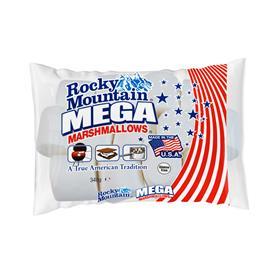
With the World Cup concluding on July 19, the football extravaganza is a massive opportunity for retailers to sell confectionery products designed for sharing, says May and Raeburn’s Azam. The tournament’s location gives stores the chance to focus on American products suited to big-night-in occasions, such as its Rocky Mountain Mega Marshmallows, which “naturally fit” occasions such as the World Cup viewing parties featuring barbecues.
Storck’s Robert suggests retailers should be putting confectionery “front and centre” of their seasonal displays during the World Cup, including formats suited to sharing. Such events that involve “shared moments with family and friends” create an opening for retailers to trade shoppers up into higher-value packs, she says.
7) Extra Extra
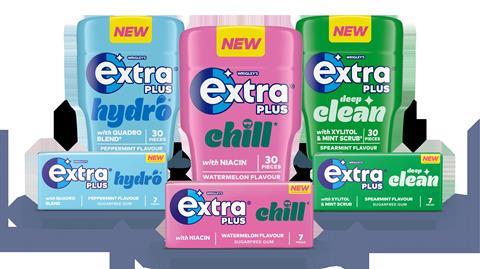
Chewing gum remains a key component of the sugar confectionery category – even though most of its products are sugar-free. Mars Wrigley brand Extra is being extended with the launch of Extra Plus, a premium gum aimed at under-30s and “designed to support modern lifestyles” that comes in Chill (watermelon), Hydro (peppermint) and Deep Clean (spearmint) varieties, and in single and bottle format.
According to Lucy Sherlock, UK senior brand manager of Extra, the spin-off, which will be backed by an intense marketing effort, is intended to “recruit a younger audience to futureproof the category and increase household penetration, where we know there is significant headroom to grow”.