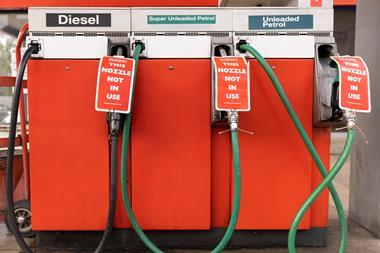
















Forecourt operators are braced for a fresh backlash from motorists after increased hostilities in the Gulf sent the fall in pump prices into reverse.
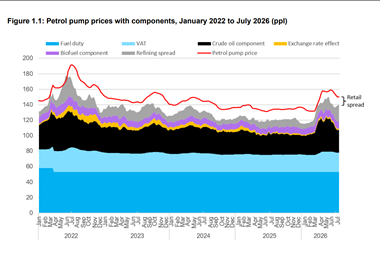
According to the RAC, the average price of a litre of petrol across the UK has risen by 1.05p since the USA resumed its attacks on Iran over the weekend. After falling to 150.72p on July 9, it had risen to 151.77p by the start of this week. Diesel prices have risen faster, up 1.28p since July 9 to 165.8p.
The increases reflect oil markets being thrown into turmoil this week, with Brent crude climbing to its highest level in a month on Tuesday (July 14) as the fragile ceasefire between the US and Iran appeared to unravel. Brent prices were up 4.3% nearing $87/bbl.
Petrol Retailers Association executive director Gordon Brown says that fuel retailers “have no choice” but to reflect increases in petrol and diesel wholesale prices at the pump.
He says: ”This may take some days to fully filter through however for those operators who buy on a daily lagged basis their margins will be impacted.
”During these volatile times our members will endeavour to price fuel fairly and for those motorists who wish to discover the cheapest fuel in their area I would suggest using the PetrolPrices.com App”
But the RAC’s head of policy says that motorists will be disappointed. “The speed with which prices have risen is concerning and will be a blow to drivers who were no doubt hoping the turbulent times at the pumps were finally over,” says RAC head of policy Simon Williams. ”Prior to this, petrol car drivers had enjoyed five weeks of falling prices while those with diesel cars had had seen lower prices for 12 weeks,” he adds.
However, prices are still some way from their peak. In late May, the average price of petrol was 159.53p, whereas diesel spiked at £191.54 in mid-April, according to the RAC. On the first day of the conflict in late February, unleaded stood at £132.83 and diesel at £142.38.
You can read more about the impact of the Iran conflict on the fuel market in Forecourt Trader’s 2026 Fuel Market Review – download your copy here.