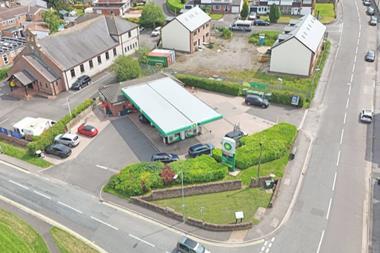




















Competition for forecourt acquisitions and lengthy, complex planning processes are seeing operators reopening filling stations that have been closed for decades, according to industry experts.
Property agent Rapleys reports that forecourts remain a “high-demand asset class” thanks to healthy fuel margins and increasingly diverse revenue streams leading to “bullishness in the market”, with “far more buyers than sellers” for sites.
The agent highlights that smaller operators are reopening shuttered forecourts, upgrading dormant sites rather than taking on the high construction costs that new builds entail. The firm says in some instances it is advising on deals “to reopen sites dormant for over 20 years”.
Transactions for sites, particularly ones in sought-after locations, are characterised by “multiple underbidders, Rapleys says, move new instructions typically finding buyers quickly.
Rapleys’ 2025 Alternatives Report describes the previous year as having been dominated by moves from large operators, with Asda expanding rapidly following the acquisition of Euro Garages’ portfolio, while Morrisons sold its 337 forecourts to MFG, and EG On The Move continued its aggressive expansion.
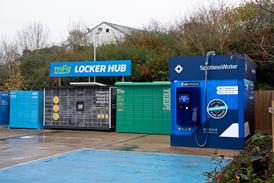
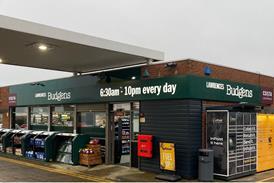
While 2024 saw the number of forecourts in the UK fall by a net total of 17, Rapleys says that trend has been reversed, with total numbers now up by 12. Diversification remains a strong theme in the sector, with everything from parcel lockers to forecourt hotels being among the developments operators are adding to their businesses.
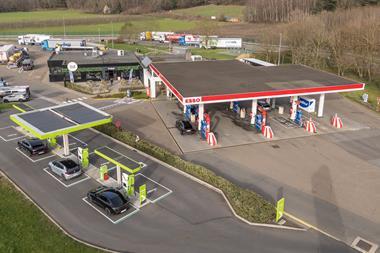
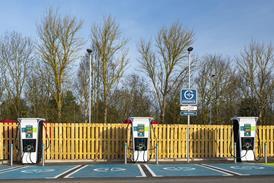
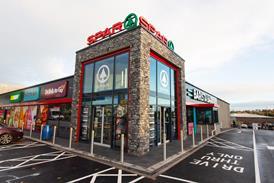
Larger groups continue to be focussed on newbuilds that can provide both food-to-go and EV charging, although this latter aspect presents a mixed picture overall, Rapleys says. While MFG now has 1,000 ultra-rapid bays – roughly one in four of all four EV chargers in the independent sector – smaller firms are said to be generally less keen on charging, and rental rates “have begun to dip” for sites leasing land to chargepoint operators.
Mark Frostick, associate partner, commercial, for Rapleys, says that forecourts “continue to offer strong returns driven by fuel sales, service diversification and EV integration”, and that a combination of “limited supply and strong demand” means investors “who understand the operational complexity of the asset class are well-placed to benefit”.
He adds: “Despite planning challenges and EV retrofit costs, forecourts remain a resilient, future-facing asset – supported by stable yields, evolving use models and continued investor confidence.”