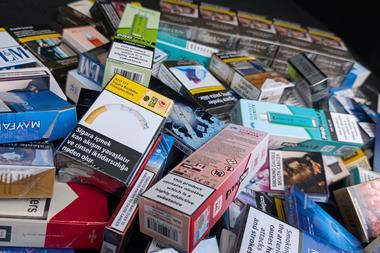





















A crackdown on illegal vapes is to be announced in Wednesday’s Budget, with retailers who breach the rules facing fines of £10,000 and prison sentences.
The initiative will require all vapes to be stamped with a QR code that can be scanned by consumers and enforcement officers to check authenticity. Retailers will have to register with the scheme, which will open in April 2026 before becoming compulsory in the autumn, with all old, unstamped stock having to be sold within six months.
The news comes from the BBC, which reports a government source saying the measures will “disrupt criminal networks behind black market vapes, protecting the public from dangerous, unregulated products”.
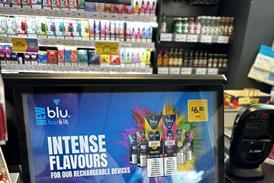
The crackdown is one of a raft of vape controls to have emanated from Whitehall over the past year or two. Disposable devices have been banned from sale since June 2025, while from April 2026 a new Vaping Duty will be introduced, adding a £2.20 tax to every 10ml of vaping liquid sold, including pod refills.
The Tobacco and Vapes Bill working its way through parliament, meanwhile, will give the government new powers to control vape packaging and device design, and prevent certain flavours from being sold.
In its current state, the Bill will also prevent anyone born after January 1, 2009 from ever being able to buy tobacco or vaping products, effectively outlawing all future smokers – though a similar law in New Zealand that was thought to have inspired the UK’s ‘generational ban’ was scrapped before it was due to be implemented in order to preserve future government tax revenues.
James Lowman, chief executive of the Association of Convenience Stores, welcomed tougher rules, but warned they would only be effective if enforcement was also stepped up.
He commented: “The activity of rogue traders currently vastly outpaces the level of enforcement, so criminals are willing to take the risk. Our members would welcome targeted action to disrupt the illicit trade that undermines responsible retailers across the country, but new powers and penalties will only be effective if Trading Standards officers have the additional resources they need to enforce locally.”