














Petrol is one of the few goods people pay for after they’ve received it, while refilling a car brings with it its own getaway vehicle; little wonder fuel theft remains a hard nut to crack.
It’s an issue that grows alongside prices, too, with elevated pole-sign numbers seeing normally honest customers turn to crime to save a few quid by driving off with a tank of fuel they haven’t paid for, and which they know the police won’t chase them down over.
Others, and more of them in fact, take a subtler but no less frustrating route, entering a forecourt shop to claim, often without merit, that they can’t pay for fuel that no longer sits in your tanks but in their car’s, leaving you unwillingly drawn into a long, frustrating process that begins with paperwork and frequently ends in bailiffs.
Overall, fuel theft is up almost a quarter with the latest round of price rises, so we’ve gathered five seasoned industry specialists to offer their insights on what can be done to minimise your site’s exposure.
- David Beckett, operations director, Ascona
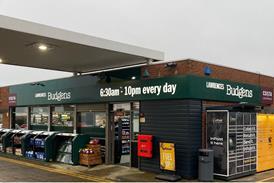
- Ben Lawrence, director at Lawrences Garages
- David Miller, former regional manager for Penny Petroleum
- Tom Buckley, general manager, Pricewatch
- Adrian Felton, managing director, Madic UK
David Beckett, operations director, Ascona

Ascona is seeing “upward movement across multiple sites” where fuel theft is concerned, Beckett says, with the response from police being “generally not great”.
Nonetheless, Ascona’s policy is to report all drive-offs, “regardless of the value or whether we expect immediate action to be taken”.
“For us, it’s important that every incident is logged. Whilst an individual case may not always result in action, reporting helps the police build an intelligence picture, identify repeat offenders, understand the scale of the issue, and hopefully allocate resources accordingly.”
Combatting the issue starts from the moment a new starter joins an Ascona forecourt, Beckett explains.
“Staff are trained in what to look out for during their onboarding. They know to look for passengers filling cars, drivers not making eye contact with the cashier, baseball caps pulled low – those sorts of things. We also coach them on no means of payment, getting them to ensure customers know they’re on CCTV, asking if a friend or family member can pay for the fuel.”
The firm also uses technology to help combat the issue.
“We have ANPR systems from Vars and Forecourt Eye at a number of sites and will be expanding those systems this year. We’re also looking into staff headsets and bodycams – It’s an upward trend we’re keen to manage.”
Ben Lawrence, director at Lawrences Garages

Ben Lawrence says staff are trained to look out for a number of telltales that can indicate a drive-off is about to occur. These include:
- Vehicle doors or boots being left open while refuelling
- Customers appearing distracted, avoiding eye contact or keeping their heads down
- Covered faces or attempts to conceal identity
Lawrence also has a policy that drivers of vehicles on European registration plates, and people arriving on foot and filling fuel cans, must pay before drawing fuel, while motorcyclists must remove their helmets.
His three forecourts also rely on technology to help stem the tide of stolen fuel.
“We operate ANPR and facial recognition systems to identify and deter offenders,” adding:
“Currently, we use Forecourt Eye as our third-party debt recovery service, which we have found to be both efficient and easy to work with when recovering unpaid fuel losses.”
David Miller, former regional manager for Penny Petroleum

Miller says drive-offs “are rarely solved by one intervention” but are fixed “through behaviour, consistency and operational discipline”.
He highlights one forecourt under his purview that was consistently experiencing a high number of drive-offs, where it was found that “colleagues weren’t consistently checking pumps before authorising, incidents weren’t reliably reported to police, and customers were leaving without giving full contact details”. All this led to the site having a “local reputation as a soft touch”.
The solution was to “reset the basics”, offering enhanced staff training, insisting on consistent reporting to police and implementing daily checks. Within six months, he says, “the issue was effectively eliminated.”
While Miller considers modern security technology is “excellent, and far more sophisticated than the ANPR systems we had in the early 2000s”, staff play a crucial role in combating theft, and the “proactive checking of pumps before authorising” is “the single most effective control”.
“Colleagues need to know the key signs: no plate, door left open, facing away from cameras, covered face, behaviour that doesn’t match normal purchasing patterns.”
Miller also warns that high staff turnover can lead to increased fuel theft due to a lack of experience in the team and advises operators should build close working relationships with local police, being prepared to escalate matters to senior officers if fuel-theft isn’t treated seriously.
Tom Buckley, general manager, Pricewatch

Buckley also places strong emphasis on staff being key to tackling drive-offs.
“Staff are trained to recognise common warning signs, including obscured number plates, customers attempting to avoid CCTV, or drivers remaining in vehicles while passengers fuel. We also operate a strict motorcycle policy, with fuel only authorised once riders have removed their helmets and dismounted.”
Pricewatch’s five sites “use both Big Brother and Nextplate ANPR systems to identify vehicles linked to previous incidents. Known offenders and repeat ‘No Means to Pay’ customers are added to a blacklist, allowing staff to withhold pump authorisation when flagged vehicles return.
“While no system is foolproof, these measures have helped reduce losses and repeat offending.”
He adds: “All drive-offs are reported to the police, although recovery rates remain low. We have been encouraged by the work of Gordon Balmer and the PRA, who have been actively engaging with Sussex Police to improve their response to forecourt crime and ensure drive-offs are treated more seriously by local officers.”
Adrian Felton, managing director, Madic UK

As MD of a technology company Felton understandably highlights the role IT has to play in combating fuel theft, but stresses that integrating different systems well is necessary for staff to be effective.
While previously blacklisted vehicles led to alerts being shown on a standalone monitor, Madic’s Evo POS (point of sale) system not only integrates with solutions offered by firms including Vars, Big Brother and Solink, but “is being enhanced by putting blacklisted alerts directly on the POS screen”, Felton says. “This means cashiers have fewer screens to focus on, and brings a reduction in hardware costs.”
Felton also suggests operators consider outdoor payment terminals (OPT), which see “the window of opportunity to drive-off closed”, adding that while OPTs are “common in mainland Europe”, Madic has “recently seen a surge in forecourt operator interest here in the UK”.
The firm’s MG Pay OPT system can be fitted directly to each pump or a standalone unit serving multiple pumps can be installed, while staff can easily switch the system between different modes, mandating payment before fuel is drawn or allowing customers to pay in the shop after refuelling.
Operators can also require pre-payment without installing new hardware onto their pumps, with Madic’s Evo POS offering an in-store pre-pay mode, requiring customers to enter the shop to pay before drawing fuel.
Tom Highland, managing director at Highland Group has done just this, explaining: “At night we move some sites to in-store prepay mode, which works well and prevents drive-offs entirely.”