













It really comes to something when you’re not only accused of doing something you’re not doing, but when the person accusing you is the one carrying out the unwanted behaviour – but that’s exactly where we are when it comes to talk of ‘price gouging’ at the petrol pump.
It’s not difficult to find evidence of senior government figures pointing the finger at forecourts: back in November Rachel Reeves spoke of “rip off” fuel retailers in her Budget speech, while last week she was at it again, talking about “price gouging” and Fuel Finder.
The Prime Minister has also decided to have a pop, saying last week, just hours before he hauled leading fuel retailers and trade bodies into Number 10 for a dressing down: “If fuel companies try to rip off customers, my government will step in.”
These attacks seem to have become something of a sport for the government. Ed Miliband chimed in that ministers will not tolerate “unfair practices” from retailers and oil firms and the Competition and Markets Authority also got in on the action, with the watchdog’s executive director saying her organisation was on the lookout for drivers being “ripped off”.
Such messaging is not just unhelpful, it’s also untrue: high fuel prices lead both to reduced sales volumes and cannier consumers, with data from Edge Petrol indicating average fuel margins have fallen since the Iranian conflict began, down 0.5% on average to 7.6%. Some retailers are even losing money if they are caught between the rock of Platts daily pricing and the hard place of weekly fuel-card reimbursement calculations.
The real winner is HMRC
But here’s the rub: HM Treasury is doing very nicely indeed out of spiking fuel prices: not only is it currently receiving 52.95p every time someone draws a litre of fuel, but the small matter of VAT needs to be considered.
VAT is charged not just on petrol and diesel, but on fuel duty itself – a tax on a tax, as it were. And, while duty remains fixed until September at least, as pole prices rise, so too do VAT returns.
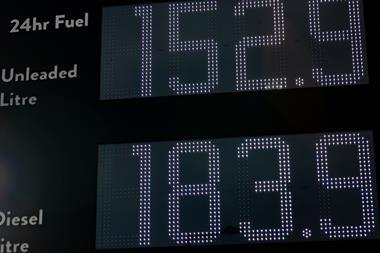
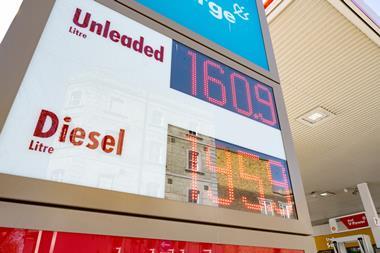
With around 120m litres of fuel being pumped on forecourts every day, and the average price rise across diesel and petrol standing at just over 12p a litre, the government is receiving an additional £3m or so every day thanks to the price rises the latest war has brought.
It would be easy to say the government gets this money for doing the square root of naff all, but it is running the country, at least technically, and now is not the time for a digression into whether Brits are receiving a fair return for all the tax they pay – although the idea of earning £100, being taxed £30 on that, then putting £70 into your car only for around 50% of that to go straight to Treasury does stick in the craw somewhat.
But it does seem fair to consider the psychology behind the government’s repeated accusations that petrol station operators are guilty price gouging given it would be more accurate to accuse the government of this practice.
An uncharitable analysis might hold that those in power are partaking – most likely without being aware of it – in ‘DARVO’ – an unpleasant tactic that stands for ‘deny, attack, reverse victim and offender’, and is often deployed by people who behave badly to others, then try to make the victim think they are the bad actor.
At best, we’re looking at ‘projection’, a mental process where someone attributes their own thoughts or behaviours to someone else to avoid dealing with their own guilt – for instance, someone having an affair might accuse their partner of the very same.
Whatever the intellectual mechanisms behind such behaviour, when retail workers are being abused by customers frustrated by rising pump prices, for those in power to repeatedly level accusations against forecourt firms is verging on the dangerous. Ministers must stop.