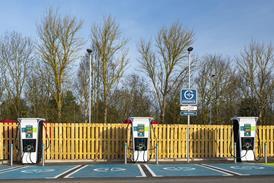

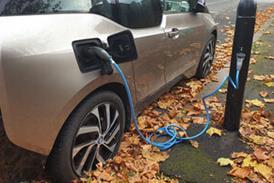












The EV mandate, which sets out what proportion of new cars must be electric, is set to be dramatically watered down as Downing Street bows to union pressure following warnings that the targets would lead to job losses.
This year, 33% of all new cars sold must run on battery power alone, but actual registrations are lagging significantly behind, at 24% year-to-date.
Despite that disparity, the mandate had been due to rise to 80% by the end of the decade. But following years of warning from the automotive industry, union pressure appears to have been the straw that broke the camel’s back, with the government set announce that the 2030 target will be reduced to 50%,
This follows Unite saying it is “concerned that car makers will simply opt to stop selling cars rather than risk fines” and that “such a decision threatens UK jobs”. General secretary Sharon Graham described Britain’s automotive sector as “the jewel in the crown of UK manufacturing”, adding that it is a “clear fact” that the mandate is causing job losses, and demanding EV percentage targets be “radically reduced”.
The Society of Motor Manufacturers and Traders, meanwhile, has repeatedly warned that ministers’ targets were somewhat distanced from customers’ preferences recently calling for a “credible” net-zero pathway that does not come at the cost of “lost competitiveness and deindustrialisation”.
The government appears to have heeded those warnings, with The Sunday Times reporting the Prime Minister has overruled Ed Miliband and his EV-pushing Department for Energy Security and Net Zero, with an announcement due “in the coming weeks” that 2030’s 80% mandate will be slashed to 50%.
That announcement will be subject to consultation with the Welsh and Scottish governments, however, potentially leading to a showdown between Westminster, and Holyrood and the Senedd.
While precise details and targets have changed in the intervening years, the policy to ban the sale of new petrol and diesel cars was announced by then Environment Secretary Michael Gove under 2017’s Theresa May’s Conservative government.