














Chargepoint operators have long lobbied for VAT on commercial electricity be cut from 20% to bring closer parity to the 5% levied on domestic power, but the opposite has now happened, with Andy Burnham cutting home-leccy VAT to 0% in his first day in office.
The new Prime Minister says the removal of home-electricity VAT is designed to “give people breathing space” and help households struggling with the cost of living.
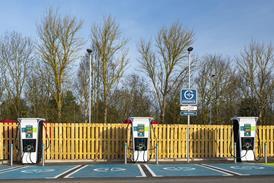
With domestic power available for as little as 7p per kiloWatt hour for those on smart tariffs, the incentive to charge at home, rather than at commercial EV charging stations the often cost 70p+ per kWh, just became even stronger.
The 0% VAT rate will apply to domestic electricity from October and, while it is only expected to shave £45 a year from a typical household’s annual bill, the message it sends to EV drivers could not be clearer: when it comes to charging, there’s no place like home.
The cut means the slew of chargepoint firms, many of which are burning private-equity cash and have yet to turn a profit, face an even more challenging landscape as they chase the 200,000 out of 2m EV drivers who are unable to charge at home, and the trace of motorists who cover big miles and need on-the-road chargers when caught short between home or workplace sockets.
At least three major chargepoint operators recently introduced discounts and incentives to boost their attractiveness, while earlier in the year the boss of one firm warned the sector is a “very crowded space” with “too many operators”, some of which are already “running out of money”.
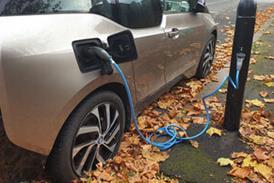
Companies operating standalone ‘hubs’ dispensing ultra-rapid electricity at high cost from expensive-to-build dedicated forecourts are likely to be most at risk, with politicians relaxing planning laws as they prioritise slower, cheaper, kerbside chargers for households that lack driveways.
Even if a hypothetical switch were flipped and all the UK’s 36.7m cars became electric overnight, chargepoint operators will only ever have a far smaller customer base than that enjoyed by fuel retailers as approximately 67% of households have off-street parking, thus allowing for EV charging at home.