










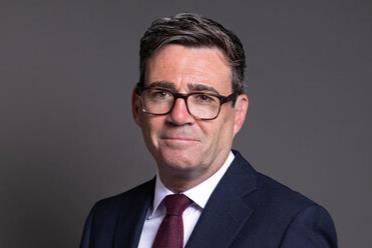
The UK is now on its seventh Prime Minister in a decade, with Andy Burnham appointing a new Cabinet as convention requires. What likely impact, if any, will a new PM, plus Energy, and Business Secretaries, and a new Chancellor, have on retail and business?
Burnham himself has said he is “pro business” and has promised a 20% rate cut for pubs, clubs and music venues. He blocked the introduction of a ULEZ-equivalent clean-air zone in Manchester, deeming it “not morally defensible”, instead introducing over 100 electric buses to the region.
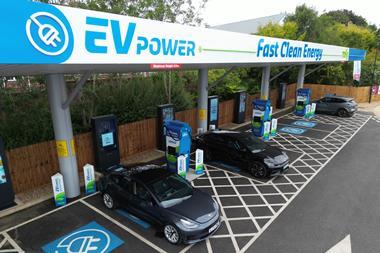
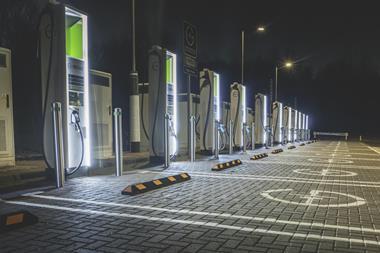
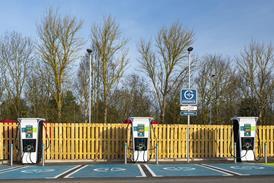
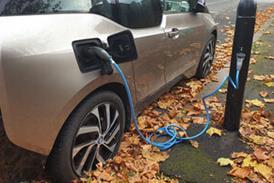
One of Burnham’s first acts as PM was to remove VAT from home electricity, thus making domestic EV charging cheaper, scrapping the £1.8bn digital-ID scheme to fund this.
The focus on electric cars and attempts to wind down sales of petrol and diesel vehicles are likely to continue under Burnham’s leadership, though the review of the ZEV mandate, which began in March and is expected to slow the rate at which car makers must sell EVs, is expected to continue, resulting in new, less arduous targets.
Miatta Fahnbulleh, the new Secretary of State for Energy Security and Net Zero, may have less messianic zeal than predecessor Ed Miliband (who is now Foreign Secretary), but she has long chanted the lines adherents to net-zero doctrine must chant. Heidi Alexander retains her position as Transport Secretary.
John Healey becomes Chancellor of the Exchequer, taking over from Rachel Reeves. Healey was previously Secretary of State for Defence, leaving that post in a shock resignation that cited the government’s failure “to commit the resources that the nation needs to defend the country”. He is a former trade-union communications manager and a member of the GMB union but, unlike his predecessor Reeves, is not a member of socialist think tank The Fabian Society.
Jonathan Reynolds retakes his role as Secretary of State for Business, which he occupied from 2024 to 2025, with Peter Kyle having held the position in the intervening months. Reynolds is said to have had close working relationships with both employers and unions when previously in the post, which has now expanded to SoS for Business, Innovation, Science and Trade, having previously covered just Business and Trade. Reynolds is a member of Unite the Union, and a Fabian.
Other notable Cabinet appointments include First Minister of State Lousie Haigh, who, despite a conviction for fraud, has also been appointed Chancellor of the Duchy of Lancaster, a role that oversees the government’s ethics; and Angela Rayner, who becomes Housing Secretary again, having previously resigned from that role for not paying enough tax on one of her properties.
The Petrol Retailers Association’s executive director Gordon Balmer says that Burnham has been appointed at a time when there are “significant challenges ahead for our sector”.
He adds: “If the government is serious about providing further support, particularly given the ongoing instability in the Middle East and its impact on oil prices, I would urge it to reconsider plans to increase fuel duty next year.
“On the net zero target, I understand Mr Burnham is broadly supportive; however, for forecourts specifically, it remains unclear how this will translate into policy and what it will mean in practice.”
Meanwhile, although there have been no specific public statements on hand car washes, Balmer believes that ”the government’s wider approach suggests a firmer stance on enforcement, including tougher action on unregulated cash businesses and a stronger mandate for the Fair Work Agency”.