










Rising pump prices driven by the Iranian conflict have resulted in a 10% increase in fuel-theft incidents, according to a new analysis.
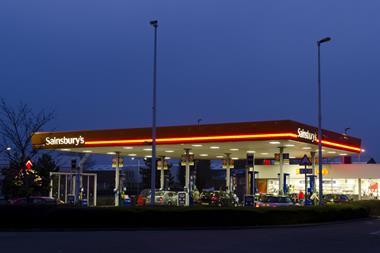
Figures gathered from 500 filling stations from the first 26 days of February leading up to the war were compared with data from the first 26 days of March by security firm Forecourt Eye. A significant increase in drive-offs being carried out by first-time offenders, whose vehicles were not previously on the firm’s ‘blacklist’ of registrations, was also detected by the firm after prices began to rise, with such incidents up by 15%.
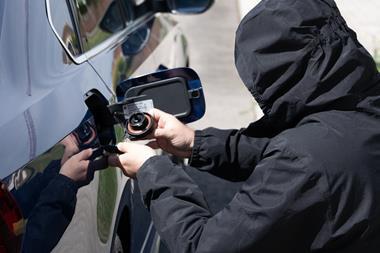
The company found that while drive-offs increased by just 6% over the period, no-means-of-payment incidents, where drivers fill up before claiming to be unable to pay, rose by 22%. Industry experts consider the majority of NMOP incidents to be deliberate, and so classify them as theft along with drive-offs. Unlike drive-offs, however, NMOPs are treated as civil rather than criminal matters, so perpetrators risk lesser consequences.
But even when criminal fuel theft is reported, police action is usually lacking. Research carried out last year by Forecourt Trader found that police are typically reluctant to investigate drive-offs, with several forces bringing charges in less than 2% of cases, and many retailers receiving automated responses from constabularies effectively closing their cases without an officer visiting the site to review security footage.
Michelle Henchoz, Forecourt Eye’s managing director, comments: “The shift since the conflict suggests that fuel theft is becoming less evasive and more visible, with individuals increasingly remaining on-site rather than attempting to flee. What we’re seeing is not just more fuel theft, but a different kind of behaviour that shows a clear increase in first-time offenders and in people who aren’t attempting to flee, but instead are declaring they cannot pay.
“The data suggests this may reflect growing financial pressure, with more drivers filling full tanks rather than taking small amounts. It highlights how quickly global events can have a direct and visible impact on everyday life in the UK.”
She adds: “This shift in behaviour is creating new challenges for petrol station operators, and in particular front-line staff who are dealing with increasing incidents of aggression where customers are venting their frustration at rising prices at the till.”